2026 Crop Yields: Weather Impacts, Food Prices, and Supply Chain Forecasts
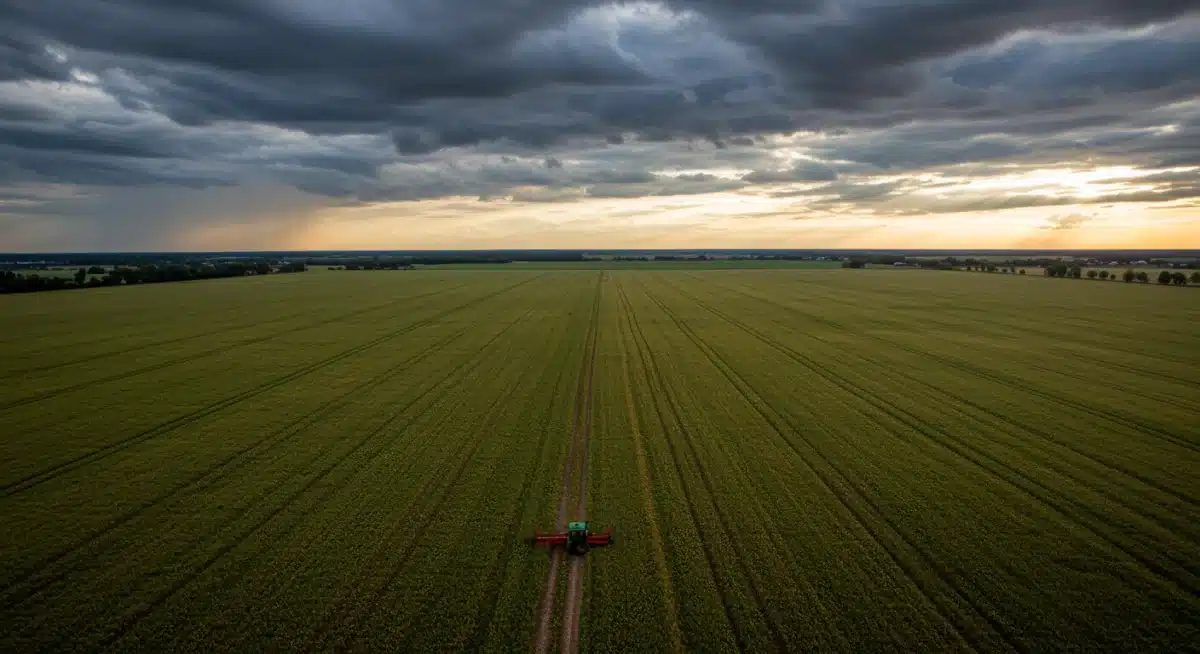
The agricultural landscape is perennially subject to the whims of nature, but in an era of accelerating climate change, these whims are becoming increasingly unpredictable and impactful. The Agriculture Department’s recent forecasts for 2026 crop yields have sent ripples through global markets, highlighting the profound influence of recent weather patterns on the future of food. This comprehensive analysis delves into these critical predictions, examining how fluctuating weather conditions are poised to reshape food prices, challenge established supply chains, and ultimately affect global food security.
Understanding the nuances of these forecasts is not merely an academic exercise; it’s a vital endeavor for policymakers, farmers, consumers, and businesses worldwide. The intricate dance between meteorological phenomena and agricultural output determines not only the availability of staples but also the economic stability of nations heavily reliant on agricultural exports and imports. As we look towards 2026, the data suggests a period of significant adjustment and strategic rethinking within the agricultural sector.
Understanding the Agriculture Department’s 2026 Crop Yields Forecasts
The Agriculture Department’s projections for 2026 crop yields serve as a cornerstone for global agricultural planning and market speculation. These forecasts are meticulously crafted, drawing upon a vast array of data points including satellite imagery, ground-level surveys, historical trends, and sophisticated climate models. The latest reports indicate a mixed but generally cautious outlook for the coming years, largely influenced by the preceding seasons’ weather anomalies.
Key staple crops such as corn, wheat, soybeans, and rice are under particular scrutiny. For instance, projections for corn yields in major producing regions like the American Midwest show a slight decrease compared to previous bullish estimates, primarily due to prolonged drought conditions experienced during critical growth stages. Conversely, some regions, particularly in parts of Eastern Europe and South America, might see favorable conditions leading to robust wheat and soybean harvests, albeit with regional variations.
The methodology behind these forecasts is complex, incorporating variables such as planted acreage, fertilizer input, pest and disease prevalence, and crucially, expected precipitation and temperature ranges. The department emphasizes that while these are projections, they are the best available indicators for future market behavior and food availability. The sensitivity of these models to even slight deviations in expected weather patterns underlines the inherent volatility in agricultural output, making informed decision-making paramount for stakeholders.
One significant aspect of the 2026 crop yields forecast is the increasing recognition of regional disparities. While global averages might suggest stable production, localized extreme weather events can devastate specific agricultural zones, leading to localized shortages and price spikes that reverberate globally. This granular level of analysis is becoming increasingly important as climate change manifests in diverse and often contradictory ways across different geographical areas.
Recent Weather Patterns: A Deep Dive into Their Impact
The past few years have been characterized by a series of unprecedented weather events, and their cumulative effect is now being reflected in the 2026 crop yields forecasts. From relentless heatwaves to torrential floods, and from prolonged droughts to unseasonable frosts, these patterns have created a challenging environment for farmers worldwide.
Droughts and Water Scarcity
Several key agricultural breadbaskets, including significant parts of North America, South America, and Australia, have grappled with severe and persistent droughts. These conditions directly impact crop hydration, reduce soil moisture, and lead to decreased yields. For crops like corn and soybeans, which are highly water-intensive, insufficient rainfall during crucial pollination and grain-filling stages can lead to widespread crop failure. The long-term implications extend beyond a single harvest, affecting soil health and water reserves for future growing seasons.
Extreme Heatwaves
Record-breaking temperatures have also played a detrimental role. Extreme heat can cause heat stress in plants, leading to reduced photosynthesis, premature ripening, and lower grain quality. For example, wheat crops exposed to excessive heat during their maturation phase often result in smaller, lighter grains, reducing overall yield and nutritional value. The frequency and intensity of these heatwaves are a growing concern for the viability of certain crops in traditionally productive regions.
Flooding and Excessive Rainfall
Conversely, other regions have experienced the destructive force of excessive rainfall and widespread flooding. While water is essential, too much can be as damaging as too little. Flooding can inundate fields, suffocating plant roots, promoting fungal diseases, and making harvesting impossible. This has been particularly evident in parts of Asia and Europe, where heavy monsoon seasons and unusual storm patterns have severely impacted rice and vegetable production. The delayed planting seasons due to waterlogged fields also contribute to lower 2026 crop yields.
Unpredictable Frosts and Storms
Beyond the more generalized patterns, localized extreme weather events such as unseasonable frosts or severe hailstorms have caused significant damage to specific crops. Fruit and nut orchards, for instance, are particularly vulnerable to late frosts, which can wipe out an entire season’s bloom. These unpredictable events add another layer of complexity and risk to agricultural planning, making reliable long-term forecasts for 2026 crop yields even more challenging.
Implications for Global Food Prices
The direct consequence of volatile 2026 crop yields is a corresponding fluctuation in global food prices. When supply dwindles due to adverse weather, prices inevitably rise, impacting consumers worldwide, particularly those in low-income countries who spend a larger proportion of their income on food.
Rising Staple Food Costs
Anticipated lower yields for major staples like wheat and corn are likely to drive up their market prices. This increase will not only affect the cost of basic commodities for direct consumption but will also ripple through the food industry. Many processed foods, animal feed, and biofuels rely heavily on these crops as raw materials. Consequently, consumers can expect to see higher prices for a wide range of products, from bread and pasta to meat and dairy, reflecting the increased input costs.
Increased Volatility and Speculation
The uncertainty surrounding 2026 crop yields also fuels market volatility and speculative trading. Traders react to weather reports and yield forecasts, leading to rapid price swings that can destabilize markets. This volatility makes it difficult for farmers to plan and for consumers to budget, adding another layer of economic insecurity. Governments and international organizations are closely monitoring these trends to mitigate potential crises.
Disproportionate Impact on Vulnerable Populations
The most severe impact of rising food prices will be felt by vulnerable populations in developing countries. Many of these nations are net food importers and are already struggling with food insecurity. Higher global prices could exacerbate malnutrition, increase poverty, and even trigger social unrest. The interplay between climate change, agricultural output, and socio-economic stability is becoming increasingly apparent, highlighting the need for robust international cooperation and support mechanisms.
Challenges and Resilience in Supply Chains
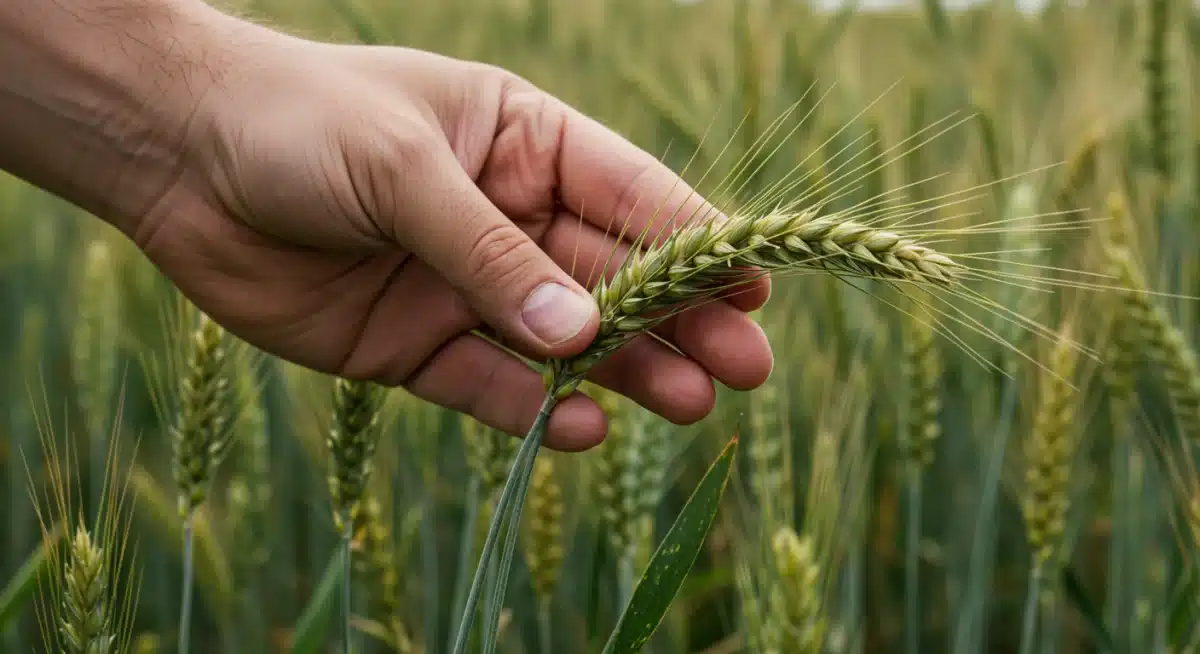
The forecasted 2026 crop yields also present significant challenges to global supply chains, testing their resilience and adaptability. Modern food supply chains are complex, interconnected networks, and disruptions at any point can have cascading effects.
Logistical Bottlenecks and Transportation Issues
Reduced or unevenly distributed harvests can create logistical nightmares. If certain regions experience significant crop failures, alternative sources must be found, often requiring longer transportation routes and increasing shipping costs. This can strain existing infrastructure, lead to bottlenecks at ports and transportation hubs, and delay deliveries. The timely and efficient movement of agricultural products is crucial to maintaining stable food supplies and prices.
Storage and Preservation Concerns
Adverse weather conditions can also impact the quality and storability of harvested crops. For instance, excessive moisture during harvest can lead to higher levels of mold and spoilage if not properly dried and stored. This reduces the available supply and can lead to significant post-harvest losses, further exacerbating the impact of lower 2026 crop yields. Investment in improved storage facilities and preservation technologies is becoming increasingly important.
Diversification and Regional Sourcing
In response to these challenges, there is a growing impetus for supply chain diversification and increased regional sourcing. Relying too heavily on a single region for a particular crop exposes the entire chain to localized weather risks. By cultivating diverse supply bases and encouraging local food production where feasible, the agricultural sector can build greater resilience against future shocks. This strategy aims to mitigate the impact of localized crop failures on global availability and prices.
Technological Solutions and Predictive Analytics
Technology is playing an increasingly vital role in bolstering supply chain resilience. Advanced predictive analytics, leveraging AI and machine learning, can forecast potential disruptions based on weather patterns and historical data, allowing for proactive adjustments. Blockchain technology is also being explored to enhance transparency and traceability within supply chains, enabling quicker responses to issues related to specific batches of produce affected by adverse conditions.
Mitigation Strategies and Future Outlook for 2026 Crop Yields
Given the stark realities presented by the 2026 crop yields forecasts, proactive mitigation strategies are essential. These strategies span technological innovation, policy adjustments, and changes in farming practices.
Climate-Resilient Agriculture
One of the most critical approaches is the widespread adoption of climate-resilient agricultural practices. This includes developing and deploying drought-resistant and flood-tolerant crop varieties, implementing advanced irrigation techniques (such as drip irrigation), and promoting soil health through practices like no-till farming and cover cropping. These methods not only help maintain 2026 crop yields in challenging conditions but also contribute to long-term environmental sustainability.
Investment in Agricultural Research and Development
Continued investment in agricultural research and development is paramount. Scientists are working on genetically modifying crops to withstand extreme temperatures, resist new pests and diseases, and utilize water more efficiently. Breeding programs focused on improving crop adaptability to diverse and changing climates will be crucial in safeguarding future food supplies.
Policy Support and Farmer Assistance Programs
Governments have a vital role to play in supporting farmers through these transitions. This includes providing subsidies for adopting climate-resilient practices, offering crop insurance programs to cushion the financial blow of yield losses, and implementing policies that encourage sustainable land use. International cooperation on agricultural policy and trade can also help stabilize global markets and ensure equitable distribution of food resources.
Early Warning Systems and Data Sharing
Enhancing early warning systems for weather extremes and pest outbreaks is another key strategy. Improved data collection and sharing among meteorological agencies, agricultural departments, and international bodies can provide farmers with timely information, allowing them to make informed decisions about planting, harvesting, and resource allocation. This proactive approach can significantly reduce the negative impact on 2026 crop yields.
Consumer Behavior and Food Waste Reduction
Beyond production, consumer behavior also plays a role. Reducing food waste at all levels of the supply chain, from farm to fork, can effectively increase the available food supply without increasing production. Educating consumers about sustainable eating habits and the impact of their choices can contribute to a more resilient food system.
The Role of Technology in Mitigating Yield Volatility
As we navigate the uncertainties surrounding 2026 crop yields, technology emerges as a powerful ally. Innovation in agriculture, often termed ‘AgriTech,’ is transforming traditional farming practices and offering new solutions to old problems.
Precision Agriculture
Precision agriculture leverages data from sensors, drones, and satellites to optimize resource use. Farmers can monitor soil conditions, crop health, and moisture levels in real-time, allowing for precise application of water, fertilizers, and pesticides. This not only improves efficiency and reduces waste but also helps maximize yields even under challenging environmental conditions. For example, variable rate irrigation systems can ensure that each part of a field receives exactly the water it needs, conserving resources and preventing over or under-watering.
AI and Machine Learning for Predictive Analytics
Artificial intelligence and machine learning are revolutionizing predictive analytics in agriculture. These technologies can process vast amounts of historical weather data, current climate conditions, and crop performance metrics to generate highly accurate forecasts for 2026 crop yields. Moreover, AI can identify patterns in pest outbreaks or disease spread, enabling farmers to take preventative measures before significant damage occurs. This foresight is invaluable in mitigating the impact of adverse events.
Vertical Farming and Controlled Environment Agriculture (CEA)
For certain high-value crops, vertical farming and Controlled Environment Agriculture (CEA) offer a promising solution to weather dependency. These systems allow crops to be grown indoors, often in urban areas, under precisely controlled conditions of light, temperature, humidity, and nutrients. While not yet scalable for staple crops like wheat or corn, CEA can provide a stable, local supply of fruits, vegetables, and herbs, reducing reliance on long supply chains and mitigating the impact of regional weather-related yield losses.
Biotechnology and Genetic Engineering
Advances in biotechnology and genetic engineering are creating new crop varieties that are more resilient to environmental stressors. Scientists are developing crops that can tolerate drought, salinity, extreme temperatures, and increased pest resistance. These innovations hold the potential to significantly stabilize 2026 crop yields and beyond, ensuring food security in a changing climate. Ethical considerations and public acceptance remain important aspects of this research.
Digital Platforms for Knowledge Sharing
Digital platforms and mobile applications are empowering farmers with access to critical information, market prices, best practices, and expert advice. These tools facilitate knowledge sharing and enable farmers, especially smallholders, to make more informed decisions, adapt to changing conditions, and improve their overall productivity and resilience against unpredictable weather patterns affecting 2026 crop yields.
Conclusion: Navigating the Future of Food Security
The Agriculture Department’s forecasts for 2026 crop yields paint a clear picture: the future of global food security is inextricably linked to our ability to adapt to and mitigate the impacts of changing weather patterns. The challenges are formidable, ranging from volatile food prices and disrupted supply chains to the existential threat of widespread food insecurity in vulnerable regions.
However, the outlook is not without hope. Through a combination of innovative agricultural practices, significant investment in research and development, supportive policy frameworks, and the strategic deployment of technology, the agricultural sector can build greater resilience. Farmers, policymakers, researchers, and consumers all have a role to play in shaping a more sustainable and secure food system for the future.
The path forward requires a holistic approach that recognizes the interconnectedness of climate, agriculture, economy, and society. By embracing adaptation strategies, fostering international cooperation, and leveraging technological advancements, we can strive to ensure that the challenges posed by fluctuating 2026 crop yields are met with robust solutions, safeguarding the availability and accessibility of food for everyone.