Unlocking Enhanced SNAP Benefits 2026: A Comprehensive Guide to Maximizing Your Allotment

Anúncios
Unlocking Enhanced SNAP Benefits 2026: A Comprehensive Guide to Maximizing Your Allotment
In an ever-evolving economic landscape, ensuring food security remains a paramount concern for millions of families across the United States. The Supplemental Nutrition Assistance Program (SNAP), commonly known as food stamps, plays a critical role in addressing this challenge. As we look ahead to 2026, understanding the nuances of enhanced SNAP benefits becomes essential for eligible households to maximize their monthly food allotments. This comprehensive guide aims to demystify the program, providing a step-by-step approach to navigating eligibility, application, and strategies for making the most of your benefits.
The year 2026 is anticipated to bring both continuity and potential adjustments to the SNAP program. While the core mission of providing nutritional support will remain, policy changes, economic indicators, and legislative updates could influence the scope and value of benefits. Staying informed is the first step towards ensuring your household receives the maximum possible assistance. This article will delve into what enhanced SNAP benefits might entail for 2026, how to determine your eligibility, the application process, and practical tips for stretching your food budget.
Anúncios
Understanding the Evolution of SNAP: What to Expect in 2026
The Supplemental Nutrition Assistance Program has a rich history of adapting to the needs of the American populace. From its origins as the Food Stamp Program in the 1930s to its modern iteration, SNAP has consistently evolved. The concept of enhanced SNAP benefits often refers to adjustments made to benefit levels, eligibility criteria, or program accessibility in response to economic downturns, inflation, or legislative mandates. For example, during the COVID-19 pandemic, emergency allotments significantly boosted benefits for many recipients, highlighting how the program can be adapted to provide greater support during times of crisis.
Key Factors Influencing SNAP Benefits in 2026
- Inflationary Adjustments: The cost of food is a significant factor in determining SNAP benefit levels. The Thrifty Food Plan (TFP), upon which SNAP benefits are based, is re-evaluated annually. Expect adjustments in 2026 to reflect current food prices, potentially leading to higher benefit amounts for all recipients.
- Economic Conditions: The overall economic health of the nation, including unemployment rates and poverty levels, can influence legislative decisions regarding social safety nets like SNAP. A weaker economy might prompt calls for further enhancements to existing benefits.
- Legislative Changes: Congress periodically reviews and reauthorizes the Farm Bill, which governs SNAP. Any new legislative actions could introduce changes to eligibility rules, work requirements, or benefit calculations, impacting whether your household qualifies for enhanced SNAP benefits.
- State-Specific Policies: While SNAP is a federal program, states have considerable flexibility in administering it. This means that specific rules, application processes, and even some benefit enhancements can vary by state. It’s crucial to check your state’s specific SNAP guidelines for 2026.
Anticipating these factors will help you prepare for any potential changes to your enhanced SNAP benefits. It’s not just about receiving the benefit; it’s about understanding the framework that supports it and how that framework might shift.
Anúncios
Eligibility for Enhanced SNAP Benefits in 2026: A Detailed Breakdown
Eligibility for SNAP is primarily determined by a household’s income and assets. While the specific thresholds are subject to change, the fundamental principles remain consistent. To qualify for enhanced SNAP benefits in 2026, your household will generally need to meet both gross and net income limits, in addition to certain asset limits.
Income Thresholds
Most households must meet both a gross and net income test:
- Gross Monthly Income: This is your household’s total income before any deductions. For most households, it must be at or below 130% of the federal poverty level (FPL).
- Net Monthly Income: This is your income after certain deductions are applied (e.g., housing costs, child care, medical expenses for the elderly/disabled). Your net income must be at or below 100% of the FPL.
It’s important to note that households with an elderly (age 60 or older) or disabled member only need to meet the net income test. These thresholds are updated annually, typically around October 1st, so be sure to check the most current figures for 2026 when they become available from your state’s SNAP agency or the USDA.
Asset Limits
In addition to income, households must also meet asset limits. For 2026, these are expected to be around:
- $2,750 for most households.
- $4,250 for households with at least one member who is age 60 or older, or disabled.
Certain assets are excluded, such as the home you live in, the land it sits on, and most retirement accounts. Vehicles are often partially excluded or entirely excluded depending on their value and purpose. Understanding these exclusions is vital for accurately assessing your eligibility for enhanced SNAP benefits.
Other Eligibility Requirements
- Residency: You must live in the state where you apply.
- Citizenship/Immigration Status: Most non-citizens must meet specific requirements, such as being a qualified immigrant, to be eligible. U.S. citizens generally qualify.
- Work Requirements: Able-bodied adults without dependents (ABAWDs) often have work requirements, though these can be temporarily waived under certain conditions or in specific areas.
The best way to confirm your eligibility for enhanced SNAP benefits in 2026 is to contact your state’s SNAP agency directly or use their online eligibility screening tools. These resources will provide the most accurate and up-to-date information tailored to your specific circumstances.
The Application Process for Enhanced SNAP Benefits in 2026
Applying for SNAP can seem daunting, but it’s a straightforward process designed to be accessible. While specific steps may vary slightly by state, the general procedure for applying for enhanced SNAP benefits in 2026 will typically involve the following:
Step 1: Gather Necessary Documentation
Before you begin, collect all essential documents. This will expedite the application process. You’ll likely need:
- Proof of identity (e.g., driver’s license, state ID).
- Proof of residency (e.g., utility bill, rental agreement).
- Social Security numbers for all household members applying.
- Proof of income for all household members (e.g., pay stubs, award letters for benefits, tax returns).
- Proof of assets (e.g., bank statements).
- Proof of deductible expenses (e.g., rent/mortgage, utilities, child care receipts, medical bills for elderly/disabled).
Having these ready will significantly reduce delays.
Step 2: Submit Your Application
Most states offer several ways to apply:
- Online: Many states have an online portal where you can complete and submit your application electronically. This is often the quickest and most convenient method.
- In Person: Visit your local SNAP office or a designated agency. Staff can assist you with the application.
- By Mail: You can typically download an application form from your state’s SNAP website, fill it out, and mail it in.
When applying for enhanced SNAP benefits, ensure all information is accurate and complete to avoid processing delays.

Step 3: The Interview
After submitting your application, a SNAP caseworker will contact you for an interview. This interview can be conducted over the phone or in person. During the interview, the caseworker will review your application, ask for clarification on any details, and confirm the information you provided. Be prepared to answer questions about your household composition, income, expenses, and resources.
Step 4: Verification and Decision
The caseworker will verify the information you provided using the documentation you submitted. They may also contact third parties (e.g., employers, landlords) if necessary. Once all information is verified, a decision will be made on your eligibility and the amount of enhanced SNAP benefits you will receive. You will be notified of this decision in writing.
Step 5: Receiving Your Benefits
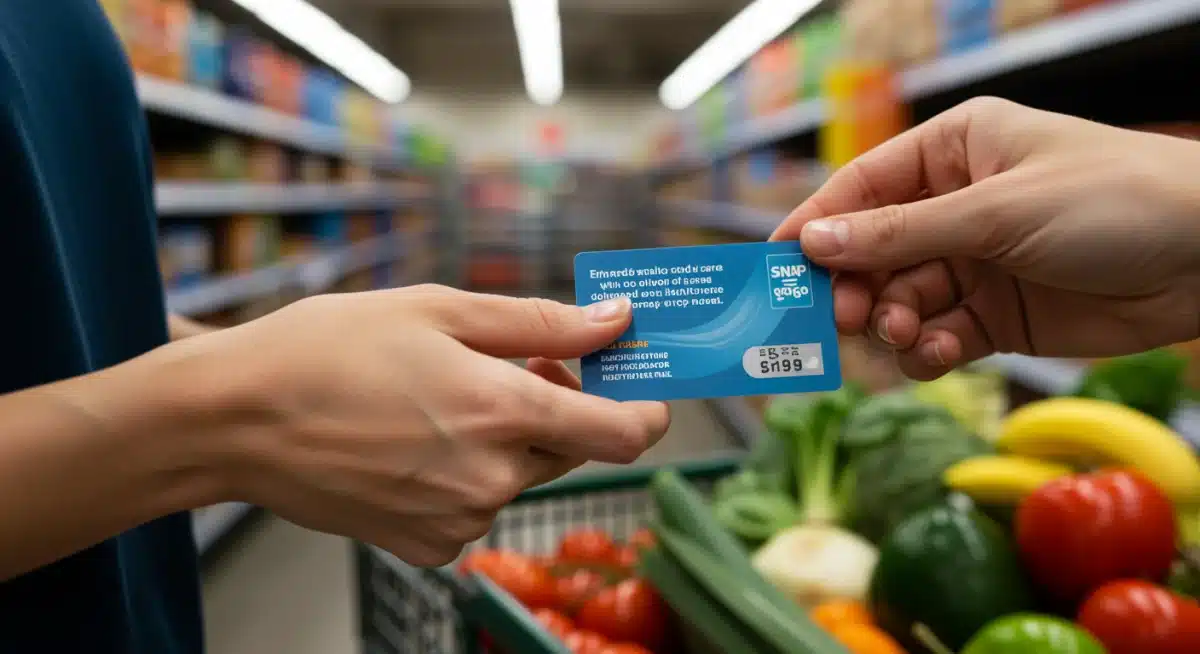
If approved, your benefits will be loaded onto an Electronic Benefits Transfer (EBT) card. This card works like a debit card and can be used at authorized grocery stores and farmers’ markets to purchase eligible food items. Your benefits will be deposited monthly.
Remember, prompt submission of all required documents and clear communication with your caseworker can significantly speed up the approval process for your enhanced SNAP benefits.
Maximizing Your Enhanced SNAP Benefits: Smart Strategies for 2026
Receiving enhanced SNAP benefits is just the first step; knowing how to strategically use them can significantly impact your household’s food security and overall well-being. Here are some effective strategies to help you get the most out of your SNAP allotment in 2026:
1. Plan Your Meals and Groceries
- Create a Weekly Meal Plan: Before you shop, plan out your meals for the week. This helps you create a targeted grocery list and reduces impulse buys.
- Make a Shopping List: Stick to your list! This prevents you from buying unnecessary items and helps you stay within your budget.
- Check Store Sales and Circulars: Look for weekly ads from local grocery stores. Plan your meals around items that are on sale.
2. Shop Smart and Economically
- Buy In-Season Produce: Fruits and vegetables that are in season are typically cheaper and fresher.
- Purchase Store Brands: Generic or store-brand products are often just as good as name brands but come at a lower price point.
- Utilize Unit Pricing: Compare the cost per ounce or per unit to determine the best value, especially for staples like rice, pasta, and canned goods.
- Bulk Buying (Wisely): If you have storage space, buying non-perishable items in bulk when they are on sale can save money in the long run. However, avoid buying perishables in bulk unless you can use them before they spoil.
- Visit Farmers’ Markets: Many farmers’ markets accept EBT cards, and some offer programs that double your SNAP dollars for fresh produce. This is a fantastic way to stretch your enhanced SNAP benefits.
3. Focus on Nutrient-Dense Foods
While SNAP allows you to purchase a wide range of food items, prioritizing nutrient-dense foods will ensure your household gets the most nutritional value from your benefits.
- Lean Proteins: Chicken, turkey, beans, lentils, eggs, and certain cuts of beef or pork.
- Whole Grains: Brown rice, whole wheat pasta, whole grain bread, oats.
- Fruits and Vegetables: A wide variety of fresh, frozen, or canned (low sodium/no sugar added) options.
- Dairy/Alternatives: Milk, yogurt, cheese, or fortified plant-based alternatives.
4. Cooking at Home
Eating out is expensive. Preparing meals at home is almost always more cost-effective and often healthier. Look for simple, budget-friendly recipes that use staple ingredients. Batch cooking (preparing large quantities of food to last for several meals) can also save time and money.
5. Understand What Your EBT Card Can and Cannot Buy
Your EBT card can be used for most food items, including:
- Fruits and vegetables
- Meats, poultry, and fish
- Dairy products
- Breads and cereals
- Other foods such as snacks and non-alcoholic beverages
- Seeds and plants which produce food for the household to eat
It cannot be used for:
- Alcoholic beverages or tobacco
- Vitamins and medicines
- Live animals (except shellfish, fish removed from water, and animals slaughtered prior to pick-up from the store)
- Foods that are hot at the point of sale
- Non-food items (e.g., pet food, cleaning supplies, paper products, hygiene items)
Knowing these restrictions will help you shop efficiently and avoid issues at the checkout.
6. Report Changes Promptly
To ensure you continue receiving the correct amount of enhanced SNAP benefits, it’s crucial to report any changes in your household’s circumstances to your state SNAP agency. This includes changes in income, household size, address, or significant expenses. Failing to report changes can lead to overpayments that you might have to repay, or underpayments where you miss out on additional benefits you are entitled to.
Potential Challenges and How to Overcome Them
While enhanced SNAP benefits are a vital resource, recipients may occasionally face challenges. Being prepared can help you navigate these effectively.
Navigating Recertification
SNAP benefits are not indefinite. You will need to recertify periodically, usually every 6 to 12 months, to continue receiving assistance. Your state agency will send you a notice when it’s time to recertify. Do not ignore these notices! Complete the recertification process promptly and accurately, providing updated documentation of your income, expenses, and household composition. Missing the deadline can result in a temporary or permanent loss of benefits.
Addressing Benefit Delays or Issues
Occasionally, there might be delays in receiving your benefits or issues with your EBT card. If you encounter such problems:
- Contact Your State SNAP Agency: This should be your first point of contact. They can investigate the issue and provide solutions.
- Keep Records: Maintain records of all communications, application submissions, and any documentation you’ve provided.
- Understand Your Rights: As a SNAP recipient, you have rights. If you believe your benefits have been unfairly denied or reduced, you can request a fair hearing.
Coping with Stigma
Unfortunately, some individuals face stigma associated with receiving public assistance. It’s important to remember that SNAP is a program designed to help individuals and families maintain food security, contributing to healthier communities. There is no shame in utilizing resources available to you and your family to meet basic needs.
Beyond SNAP: Complementary Food Assistance Programs
While enhanced SNAP benefits are a cornerstone of food assistance, several other programs can complement your efforts to ensure your family is well-nourished. Exploring these options can further strengthen your household’s food security:
- WIC (Special Supplemental Nutrition Program for Women, Infants, and Children): WIC provides nutritious foods, nutrition education, and healthcare referrals to pregnant women, new mothers, and children up to age five who are at nutritional risk.
- School Meal Programs: The National School Lunch Program and School Breakfast Program offer free or reduced-price meals to eligible children. Many schools also offer summer meal programs when school is out.
- Food Banks and Pantries: Local food banks and pantries are invaluable resources, offering emergency food assistance. They often provide fresh produce, non-perishable items, and sometimes even prepared meals.
- Senior Farmers’ Market Nutrition Program (SFMNP): This program provides low-income seniors with coupons that can be exchanged for eligible foods at farmers’ markets, roadside stands, and community supported agriculture (CSA) programs.
- Child and Adult Care Food Program (CACFP): Provides aid for nutritious foods to children and adults in day care settings.
By combining your enhanced SNAP benefits with these additional resources, you can create a robust network of support to ensure consistent access to healthy food for your entire household.
Staying Informed: Resources for 2026 SNAP Updates
The landscape of social assistance programs can change rapidly. To ensure you’re always up-to-date on the latest information regarding enhanced SNAP benefits in 2026, rely on official and reputable sources:
- USDA Food and Nutrition Service (FNS): The official federal agency overseeing SNAP. Their website (fns.usda.gov) is a primary source for national program rules, updates, and data.
- Your State’s SNAP Agency Website: Each state has its own agency responsible for administering SNAP. Search for "[Your State Name] SNAP" or "[Your State Name] Food Stamps" to find their official website. This will have state-specific eligibility rules, application forms, and contact information.
- Local Community Organizations: Many non-profits and community-based organizations offer assistance with SNAP applications, provide information, and connect individuals to other food resources.
- Advocacy Groups: Organizations like the Food Research and Action Center (FRAC) track policy changes related to SNAP and advocate for stronger programs. Their websites often provide excellent summaries and analyses of current and upcoming changes.
Regularly checking these sources will help you stay ahead of any changes that might affect your eligibility or the amount of enhanced SNAP benefits you receive. Proactive engagement with these resources is key to maintaining consistent food assistance.
Conclusion
Navigating the Supplemental Nutrition Assistance Program can be complex, but with the right information and a proactive approach, securing and maximizing your enhanced SNAP benefits in 2026 is entirely achievable. This guide has aimed to provide a clear roadmap, from understanding potential changes and confirming eligibility to mastering the application process and implementing smart shopping strategies.
Remember, SNAP is more than just a government program; it’s a lifeline for millions, ensuring that families have access to nutritious food. By staying informed, meticulously preparing your application, and wisely managing your benefits, you can significantly enhance your household’s food security throughout 2026 and beyond. Don’t hesitate to utilize the available resources and seek assistance from your state’s SNAP agency or local community organizations. Your well-being, and that of your family, is worth the effort.
Embrace the opportunities that enhanced SNAP benefits offer, and empower yourself with the knowledge to make every dollar count towards a healthier, more secure future.