HELOC Rates 2026: Unlocking Home Equity with Current Averages
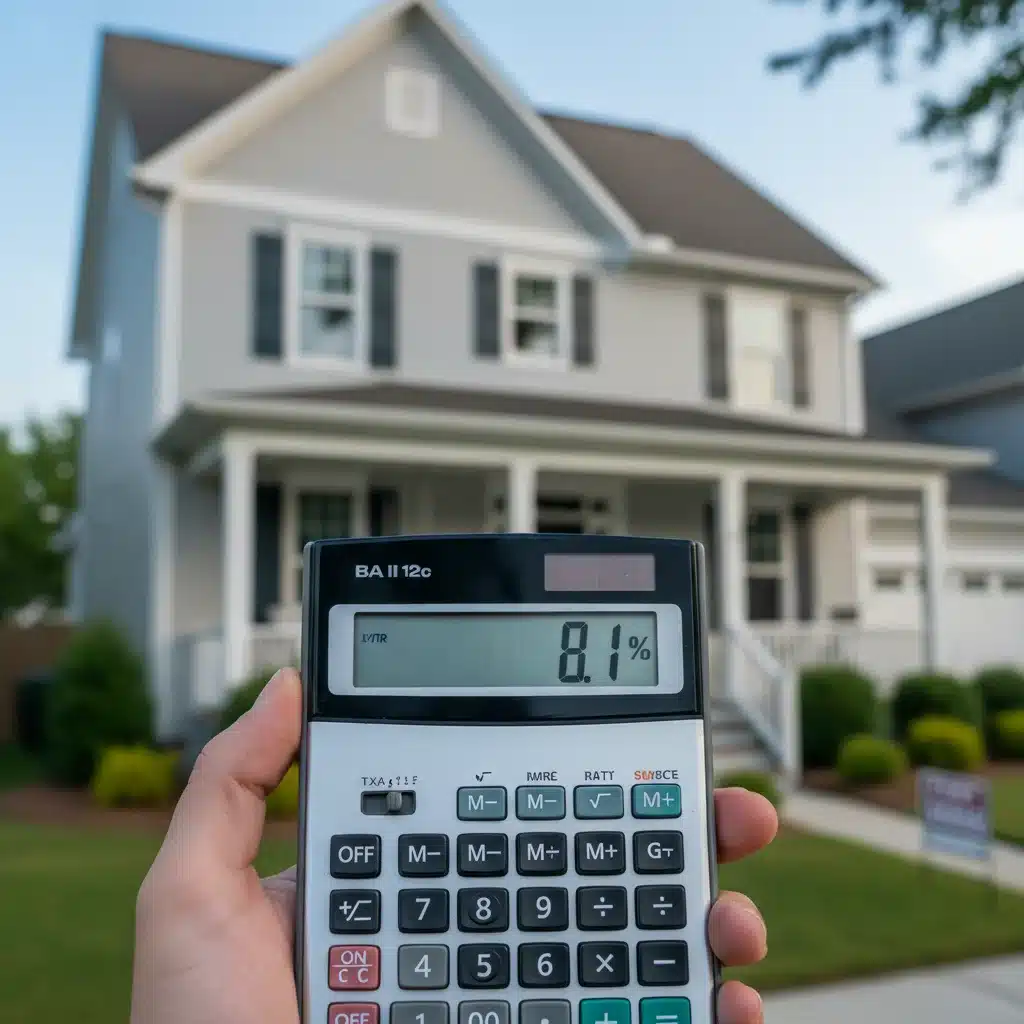
In the dynamic world of personal finance, understanding how to leverage your assets can be a game-changer. For many homeowners, their most significant asset is their home. A Home Equity Line of Credit, or HELOC, offers a flexible way to tap into that value. As we navigate 2026, the financial landscape continues to evolve, and staying informed about HELOC Rates 2026 is crucial for making smart borrowing decisions. Currently, the average HELOC rate hovers around 8.1%, a figure that reflects a complex interplay of economic factors, central bank policies, and market demand. This comprehensive guide will delve deep into what HELOCs are, how their rates are determined, the benefits and risks involved, and how you can best utilize this financial tool in the current environment.
The concept of home equity is simple yet powerful: it’s the difference between your home’s market value and the outstanding balance on your mortgage. As you pay down your mortgage and as your property appreciates in value, your equity grows. A HELOC allows you to borrow against this accumulated equity, providing a revolving line of credit that you can draw from as needed, similar to a credit card, but typically with much lower interest rates because your home serves as collateral. This flexibility makes HELOCs an attractive option for various financial needs, from home renovations to debt consolidation, and even financing significant life events.
Anúncios
Understanding the current average of 8.1% for HELOC Rates 2026 is more than just knowing a number; it’s about comprehending the forces that shape it. The Federal Reserve’s monetary policy, inflation rates, the overall health of the economy, and individual lender policies all play a role. For homeowners considering a HELOC, this rate serves as a benchmark. While individual rates may vary based on creditworthiness, loan-to-value (LTV) ratio, and specific lender offerings, the average provides a realistic expectation for what borrowers might encounter. This article will equip you with the knowledge to not only understand these rates but also to strategically approach securing a HELOC that aligns with your financial objectives.
The journey to unlocking your home equity begins with a thorough understanding of the product itself. Let’s explore the fundamentals of HELOCs and what makes them a unique borrowing option in today’s financial climate.
Anúncios
What is a HELOC and How Does it Work?
A Home Equity Line of Credit (HELOC) is a type of loan that allows homeowners to borrow against the equity in their home. Unlike a traditional home equity loan, which provides a lump sum, a HELOC offers a revolving line of credit. This means you can borrow money, repay it, and then borrow again, up to a pre-approved credit limit, during a specific draw period. The interest is typically variable, meaning it can fluctuate with market conditions, which is why understanding HELOC Rates 2026 is so important.
The Draw Period and Repayment Period
A HELOC typically consists of two main phases: the draw period and the repayment period. During the draw period, which often lasts 5 to 10 years, you can access funds as needed. You only pay interest on the amount you’ve actually borrowed, not on the entire credit line. Minimum payments during this phase are often interest-only. Once the draw period ends, the repayment period begins. This phase typically lasts 10 to 20 years, and during this time, you can no longer draw funds. You must repay both the principal and interest, often resulting in significantly higher monthly payments than during the draw period.
Variable Interest Rates and Their Impact
The vast majority of HELOCs come with variable interest rates. These rates are usually tied to a benchmark index, such as the prime rate, plus a margin set by the lender. When the benchmark index rises or falls, your HELOC interest rate will also adjust, impacting your monthly payments. This variability is a key factor to consider, especially when looking at the current HELOC Rates 2026 average of 8.1%. While a variable rate can be advantageous if rates drop, it also carries the risk of increased payments if rates rise. Some lenders offer the option to convert a portion of the variable-rate balance to a fixed rate, providing a hybrid approach that can offer more predictability for certain portions of your debt.
Factors Influencing HELOC Rates in 2026
The 8.1% average for HELOC Rates 2026 is not a static number but rather a reflection of various economic and financial forces. Understanding these factors is crucial for anticipating future rate movements and making informed decisions about when to apply for or draw on a HELOC.
Federal Reserve Policy and the Prime Rate
The most significant influence on HELOC rates is the Federal Reserve’s monetary policy. The Fed sets the federal funds rate, which in turn influences the prime rate – the interest rate banks charge their most creditworthy customers. Since most HELOC rates are tied to the prime rate (e.g., Prime + 1%), any changes by the Federal Reserve directly impact your HELOC’s interest rate. In 2026, the Fed’s stance on inflation and economic growth will continue to be a primary driver of these rates. If the Fed continues to pursue a tighter monetary policy to combat inflation, we could see upward pressure on HELOC rates. Conversely, a shift towards more accommodative policies could lead to a decline.
Inflation and Economic Outlook
Inflation plays a critical role in interest rate movements. When inflation is high, lenders demand higher interest rates to compensate for the reduced purchasing power of future repayments. The economic outlook for 2026, including GDP growth, employment figures, and consumer spending, also contributes to the overall interest rate environment. A strong economy might lead to higher demand for credit, potentially pushing rates up, while a slowdown could see rates stabilize or even decrease as the Fed attempts to stimulate economic activity.
Lender-Specific Factors and Borrower Profile
Beyond macroeconomic factors, individual lenders have their own criteria for setting HELOC rates. Your credit score, debt-to-income ratio, and loan-to-value (LTV) ratio are all critical. A higher credit score generally translates to a lower interest rate, as it signals a lower risk to the lender. Similarly, a lower LTV ratio (meaning you have more equity in your home) can also help you secure a more favorable rate. Different lenders also have varying overhead costs, profit margins, and risk assessments, which contribute to the slight variations in rates you’ll find across the market. Shopping around and comparing offers from multiple lenders is vital to finding the best available HELOC Rates 2026 for your specific situation.
Benefits of a HELOC in the Current Financial Climate
Despite the current average of 8.1% for HELOC Rates 2026, a Home Equity Line of Credit continues to offer several compelling advantages for homeowners looking to access funds. Its flexibility and potentially lower interest rates compared to other borrowing options make it a powerful financial tool when used wisely.
Flexibility and Accessibility of Funds
One of the primary benefits of a HELOC is its unparalleled flexibility. Unlike a traditional loan where you receive a lump sum and begin repayment immediately, a HELOC allows you to draw funds only when you need them, up to your approved credit limit. This makes it ideal for ongoing projects, unexpected expenses, or situations where you’re unsure of the exact amount you’ll need. You can draw funds, repay them, and draw again during the draw period, offering a dynamic financial resource that adapts to your evolving needs. This ‘as-needed’ access means you only pay interest on the amount you’ve actually used, which can be a significant cost-saver compared to taking out a large, fixed loan.
Lower Interest Rates Compared to Other Credit Options
Even with HELOC Rates 2026 averaging around 8.1%, they are often significantly lower than those for unsecured loans like personal loans or credit cards. Because your home serves as collateral, lenders perceive less risk, allowing them to offer more attractive interest rates. This can translate into substantial savings, especially for large expenses. For instance, consolidating high-interest credit card debt into a HELOC can drastically reduce your monthly interest payments and help you pay off debt faster. Similarly, financing a major home renovation with a HELOC will likely be more cost-effective than using a personal loan.
Potential Tax Advantages
Another attractive benefit of a HELOC, particularly for those using the funds for home improvements, is the potential for tax deductibility. Historically, interest paid on home equity debt used to buy, build, or substantially improve the home that secures the loan may be tax-deductible. It’s crucial to consult with a tax advisor to understand the current tax laws and how they apply to your specific situation, as tax regulations can change. However, this potential tax advantage can further enhance the overall financial benefit of utilizing a HELOC.
Risks and Considerations with HELOCs
While HELOCs offer considerable benefits, they are not without risks. Understanding these potential downsides is just as important as knowing the advantages, especially with the variable nature of HELOC Rates 2026.
Variable Interest Rate Risk
The most significant risk associated with a HELOC is its variable interest rate. As mentioned, these rates are tied to a benchmark index, and if that index rises, your monthly payments will increase. While the current average of 8.1% for HELOC Rates 2026 might seem manageable, a sustained period of rising interest rates could make your payments unaffordable. This risk is amplified as you transition from the interest-only draw period to the full principal and interest repayment period, where higher rates can lead to a substantial jump in monthly obligations. It’s crucial to assess your financial capacity to handle potential rate increases before committing to a HELOC.
Risk of Foreclosure
Since your home serves as collateral for a HELOC, defaulting on your payments can lead to severe consequences, including foreclosure. This is perhaps the most serious risk, as it means you could lose your home. Unlike unsecured loans, where the worst outcome is damage to your credit score, a HELOC directly ties your home to your debt. This underscores the importance of responsible borrowing and ensuring you have a solid plan for repayment.
Potential for Over-borrowing
The revolving nature of a HELOC, while flexible, can also tempt borrowers to overspend. Having a readily available line of credit can make it easy to draw funds for non-essential expenses, leading to accumulating more debt than you can comfortably repay. It’s essential to approach a HELOC with a clear budget and purpose, using the funds only for planned and necessary expenditures. Treating a HELOC like an extension of your checking account can lead to financial distress.
Impact on Home Equity
Drawing on your home equity reduces the amount of equity you have in your home. While this is the purpose of a HELOC, it means you’ll have less equity to fall back on in case of an emergency or if you decide to sell your home. If home values decline, you could even find yourself ‘underwater,’ owing more on your mortgage and HELOC combined than your home is worth. This can make it difficult to sell or refinance your home.
Applying for a HELOC: What to Expect in 2026
The application process for a HELOC in 2026 remains largely consistent with previous years, but understanding the current economic climate and HELOC Rates 2026 can help you prepare. Lenders will thoroughly evaluate your financial health to determine your eligibility and the credit limit they are willing to offer.
Required Documentation and Credit Score
When applying for a HELOC, you’ll typically need to provide extensive documentation. This includes proof of income (pay stubs, tax returns), bank statements, identification, and details about your current mortgage. Lenders will also pull your credit report to assess your creditworthiness. A strong credit score (generally 680 or higher) is crucial for securing favorable HELOC Rates 2026. A lower score might still allow you to qualify, but you could face a higher interest rate or a lower credit limit.
Loan-to-Value (LTV) Ratio
A key factor in HELOC approval is your loan-to-value (LTV) ratio. This ratio compares the total amount of your mortgage and the proposed HELOC to the appraised value of your home. Most lenders require an LTV of 80% or 85%, meaning you must have at least 15% to 20% equity in your home. For example, if your home is worth $400,000 and your outstanding mortgage is $200,000, you have $200,000 in equity. If the lender’s maximum LTV is 80%, they would lend up to 80% of $400,000, which is $320,000. Since you already owe $200,000, your maximum HELOC would be $120,000 ($320,000 – $200,000). The higher your equity, the better your chances of approval and securing a competitive rate.
Appraisal and Closing Costs
Most HELOC applications will require a home appraisal to determine the current market value of your property. This is a crucial step in calculating your available equity and LTV. Be prepared for closing costs, which can include appraisal fees, application fees, title search fees, and other administrative charges. While some lenders offer HELOCs with no closing costs, these often come with a slightly higher interest rate or a prepayment penalty if you close the line of credit early. It’s important to weigh these costs against the benefits of the HELOC.
Strategies for Maximizing Your HELOC in 2026
Given the current HELOC Rates 2026 and the inherent flexibility of this financial product, strategic planning is essential to maximize its benefits while minimizing risks. Here are some key strategies to consider.
Debt Consolidation
One of the most popular uses for a HELOC is debt consolidation. If you have high-interest credit card debt or personal loans, using a HELOC to pay them off can significantly reduce your overall interest burden. The average HELOC rate of 8.1% is likely much lower than the typical interest rates on credit cards, which can be upwards of 20%. Consolidating can simplify your finances into a single, lower monthly payment and help you pay off debt faster. However, remember the risks: if you default, your home is at stake, and if you continue to run up new credit card debt, you could find yourself in a worse financial position.
Home Improvements and Renovations
Investing in your home through renovations can increase its value and enhance your living space. A HELOC is an excellent way to finance these projects, especially if they are large or ongoing. Since the interest might be tax-deductible for home improvement loans, it further sweetens the deal. Whether it’s a kitchen remodel, a bathroom upgrade, or adding an extension, using a HELOC can provide the necessary funds without depleting your savings. This is a productive use of your equity, as it can generate a return on investment through increased property value.
Emergency Fund or Financial Buffer
While not recommended for everyday expenses, a HELOC can serve as a valuable emergency fund or financial buffer. Knowing you have access to a significant line of credit can provide peace of mind during unexpected financial crises, such as job loss or major medical expenses. However, it’s crucial to exercise extreme discipline and only draw on the HELOC in true emergencies, and with a clear plan for repayment. Relying on a HELOC for routine emergencies without a repayment strategy can quickly lead to accumulating debt that’s difficult to manage.

Educational Expenses or Other Major Investments
For some, a HELOC can be a viable option for financing higher education or other significant investments. With HELOC Rates 2026 potentially lower than private student loan rates, it could be a more affordable way to fund educational pursuits. Similarly, if you have a clear, well-researched investment opportunity with a strong potential return, a HELOC might provide the capital. However, using your home as collateral for investments that are not guaranteed to pay off carries significant risk and should be approached with extreme caution and professional financial advice.
Comparing HELOCs with Other Home Equity Options
While a HELOC is a powerful tool, it’s not the only way to tap into your home equity. Understanding how it compares to other options, such as home equity loans and cash-out refinances, is essential for making the best decision for your financial situation in 2026.
HELOC vs. Home Equity Loan
The primary difference between a HELOC and a home equity loan lies in how the funds are disbursed and repaid. A home equity loan provides a lump sum of money upfront, with a fixed interest rate and a fixed repayment schedule. This predictability can be attractive if you know exactly how much you need and prefer stable monthly payments. In contrast, a HELOC offers a revolving line of credit with a variable interest rate, providing flexibility but also introducing payment uncertainty, especially with fluctuating HELOC Rates 2026. For a one-time, large expense with a clear cost, a home equity loan might be more suitable. For ongoing or indefinite needs, a HELOC often proves more advantageous.
HELOC vs. Cash-Out Refinance
A cash-out refinance involves replacing your existing mortgage with a new, larger mortgage and taking the difference in cash. This is often done to secure a lower interest rate on your primary mortgage or to consolidate debt into a single payment. A key difference is that a cash-out refinance affects your entire mortgage, potentially extending the repayment period and increasing the total interest paid over the life of the loan. A HELOC, on the other hand, is a second mortgage that leaves your primary mortgage untouched. If you’re happy with your current mortgage rate and only need access to a portion of your equity, a HELOC might be a better choice. If you want to lower your primary mortgage rate and access a significant amount of cash, a cash-out refinance could be more appropriate.
Which Option is Right for You?
The choice between a HELOC, a home equity loan, or a cash-out refinance depends on your specific financial goals, risk tolerance, and the current interest rate environment. Consider the following:
- Purpose of funds: Is it a one-time expense or ongoing needs?
- Interest rate preference: Do you prefer a fixed or variable rate?
- Impact on primary mortgage: Do you want to keep your current mortgage or replace it?
- Risk tolerance: Are you comfortable with fluctuating payments from variable HELOC Rates 2026?
Consulting with a financial advisor can help you navigate these choices and determine the best path for your unique situation.
Future Outlook for HELOC Rates Beyond 2026
Predicting future interest rates is inherently challenging, but understanding the factors that influence them can help homeowners anticipate potential changes in HELOC Rates 2026 and beyond. The trajectory of inflation, the Federal Reserve’s response, and broader economic trends will continue to shape the cost of borrowing against home equity.
Inflation Trends and Federal Reserve Action
The primary driver of interest rate policy is inflation. If inflation remains elevated or proves to be more persistent than anticipated, the Federal Reserve may maintain a higher federal funds rate, which would keep HELOC rates, including the 8.1% average for 2026, at current levels or even push them higher. Conversely, if inflation moderates or the economy shows signs of significant slowdown, the Fed might consider cutting rates to stimulate growth, which could lead to a decrease in HELOC costs.
Economic Growth and Stability
A robust economy generally means higher demand for credit and potentially higher interest rates. However, a stable economy with controlled inflation often allows for more predictable rate environments. Geopolitical events, global supply chain dynamics, and domestic economic policies will all contribute to the overall stability and growth outlook, influencing how lenders price HELOCs. Any significant economic shocks could lead to rapid shifts in interest rate policy.
Housing Market Dynamics
The health of the housing market itself also plays a role. While not a direct driver of interest rates, a strong housing market with appreciating values increases homeowner equity, making HELOCs more accessible and potentially leading to increased demand. Conversely, a downturn in housing values could make lenders more cautious, potentially tightening lending standards even if interest rates remain stable. The intersection of home values and borrowing costs will continue to be a critical consideration for homeowners.
Proactive Financial Planning
For homeowners with existing HELOCs or those considering one, proactive financial planning is paramount. Regularly monitoring economic news and Federal Reserve announcements can help you anticipate rate changes. Consider strategies like making extra principal payments during periods of lower rates, or exploring fixed-rate conversion options if available and if you anticipate significant rate increases. Staying informed and adaptable will be key to successfully managing your HELOC in the evolving financial landscape beyond 2026.
Conclusion: Making Informed Decisions with HELOC Rates in 2026
Navigating the world of home equity borrowing requires a clear understanding of the financial tools available and the economic environment in which they operate. As we’ve explored, HELOC Rates 2026, averaging around 8.1%, present both opportunities and challenges for homeowners. A Home Equity Line of Credit offers unparalleled flexibility and potentially lower interest rates compared to other forms of credit, making it an attractive option for a variety of financial needs, from home improvements to debt consolidation.
However, the variable nature of HELOC rates, coupled with the significant risk of using your home as collateral, demands careful consideration. The interplay of Federal Reserve policy, inflation trends, and your personal financial profile will ultimately determine the true cost and suitability of a HELOC for your situation. It is imperative to assess your ability to manage potential payment increases, avoid over-borrowing, and have a clear repayment strategy in place.
Before committing to a HELOC, take the time to compare it against other options like home equity loans and cash-out refinances, weighing the benefits of flexibility against the predictability of fixed rates. Seek advice from financial professionals and tax advisors to ensure you make the most informed decision, taking into account all personal and economic factors. By understanding the intricacies of HELOC Rates 2026 and approaching the application process strategically, you can effectively unlock the power of your home equity to achieve your financial goals while safeguarding your most valuable asset.