
HealthCare.gov Open Enrollment 2026: Your Guide to Key Dates, New Subsidies, and Expanded Eligibility
As the calendar pages turn towards a new year, millions of Americans begin to think about their health coverage. For many, this means preparing for HealthCare.gov Open Enrollment. The upcoming 2026 enrollment period is poised to be particularly impactful, bringing with it crucial dates, potentially new and enhanced subsidies, and expanded eligibility criteria that could benefit up to 7 million Americans currently uninsured or underinsured. Understanding these changes and how they affect you is paramount to securing affordable, quality health insurance. This comprehensive guide will walk you through everything you need to know about HealthCare.gov 2026 Enrollment, ensuring you are well-prepared to navigate the process.
The Affordable Care Act (ACA), often referred to as Obamacare, established HealthCare.gov as the federal marketplace where individuals and families can shop for health insurance plans. Since its inception, the ACA has aimed to make health insurance more accessible and affordable. Over the years, legislative changes, particularly those introduced in response to economic shifts and the ongoing commitment to expand coverage, have significantly altered the landscape of health insurance subsidies. The 2026 enrollment period is expected to continue this trend, offering unprecedented opportunities for financial assistance.
For individuals and families across the nation, health insurance is not just a policy; it’s a lifeline. It provides peace of mind, access to essential medical care, and protection against catastrophic financial burdens. Yet, the cost of healthcare remains a significant concern. This is where the subsidies available through HealthCare.gov become critical. These financial aids can dramatically reduce monthly premium costs, making comprehensive coverage attainable for a broader segment of the population. Our focus today is to demystify the HealthCare.gov 2026 Enrollment process, highlight the key dates you need to mark on your calendar, explain the nuances of the new subsidies, and clarify who is eligible to benefit from these vital programs.
Understanding HealthCare.gov: A Brief Overview
HealthCare.gov serves as the central hub for individuals and families to compare and enroll in health insurance plans if their state uses the federal marketplace. Some states operate their own marketplaces, but the principles of enrollment and subsidies are largely consistent. The platform allows users to input their household income, family size, and other relevant information to determine their eligibility for financial assistance, which comes primarily in two forms: Premium Tax Credits (PTCs) and Cost-Sharing Reductions (CSRs).
Premium Tax Credits are designed to lower your monthly premium payments. The amount of your credit depends on your income relative to the federal poverty level (FPL) and the cost of the benchmark plan in your area. Cost-Sharing Reductions, on the other hand, help reduce out-of-pocket costs like deductibles, co-payments, and co-insurance. These are only available if you enroll in a Silver-level plan and meet specific income thresholds. Both forms of assistance are crucial for making healthcare genuinely affordable.
The marketplace offers a range of plans categorized by metal tiers: Bronze, Silver, Gold, and Platinum. Each tier represents a different balance between monthly premiums and out-of-pocket costs. Bronze plans typically have the lowest premiums but the highest out-of-pocket costs, while Platinum plans have the highest premiums but the lowest out-of-pocket costs. Silver plans are particularly important because they are the only plans eligible for Cost-Sharing Reductions, making them a popular choice for those seeking maximum financial aid. The HealthCare.gov 2026 Enrollment period will continue to offer these tiered options, allowing consumers to choose a plan that best fits their healthcare needs and budget.
Key Dates for HealthCare.gov 2026 Open Enrollment
Missing the Open Enrollment deadline can have significant consequences, potentially leaving you uninsured for the majority of the year unless you qualify for a Special Enrollment Period (SEP). While the exact dates for HealthCare.gov 2026 Enrollment are typically announced closer to the period, based on historical patterns, we can anticipate the following general timeline:
- Start Date: Historically, Open Enrollment begins on November 1st of the preceding year. Therefore, we can expect HealthCare.gov 2026 Enrollment to commence on November 1, 2025. This is the date when the marketplace opens for individuals to compare plans, apply for subsidies, and enroll in coverage for the upcoming year.
- Initial Enrollment Deadline for January 1st Coverage: To ensure your new plan starts on January 1, 2026, you typically need to enroll by mid-December. This deadline allows insurance companies and the marketplace sufficient time to process applications. For 2026, this is likely to be around December 15, 2025. Enrolling by this date ensures seamless coverage from the very beginning of the new year.
- Final Enrollment Deadline: The Open Enrollment period usually extends into the new year, concluding in mid-January. For HealthCare.gov 2026 Enrollment, the final deadline is anticipated to be around January 15, 2026. If you enroll between December 16, 2025, and January 15, 2026, your coverage will typically begin on February 1, 2026.
It is crucial to verify these dates as they get officially announced by the Centers for Medicare & Medicaid Services (CMS). Setting reminders and planning ahead will ensure you don’t miss these critical windows. Mark your calendars for HealthCare.gov 2026 Enrollment to secure your health coverage.
New Subsidies and Expanded Eligibility: What to Expect in 2026
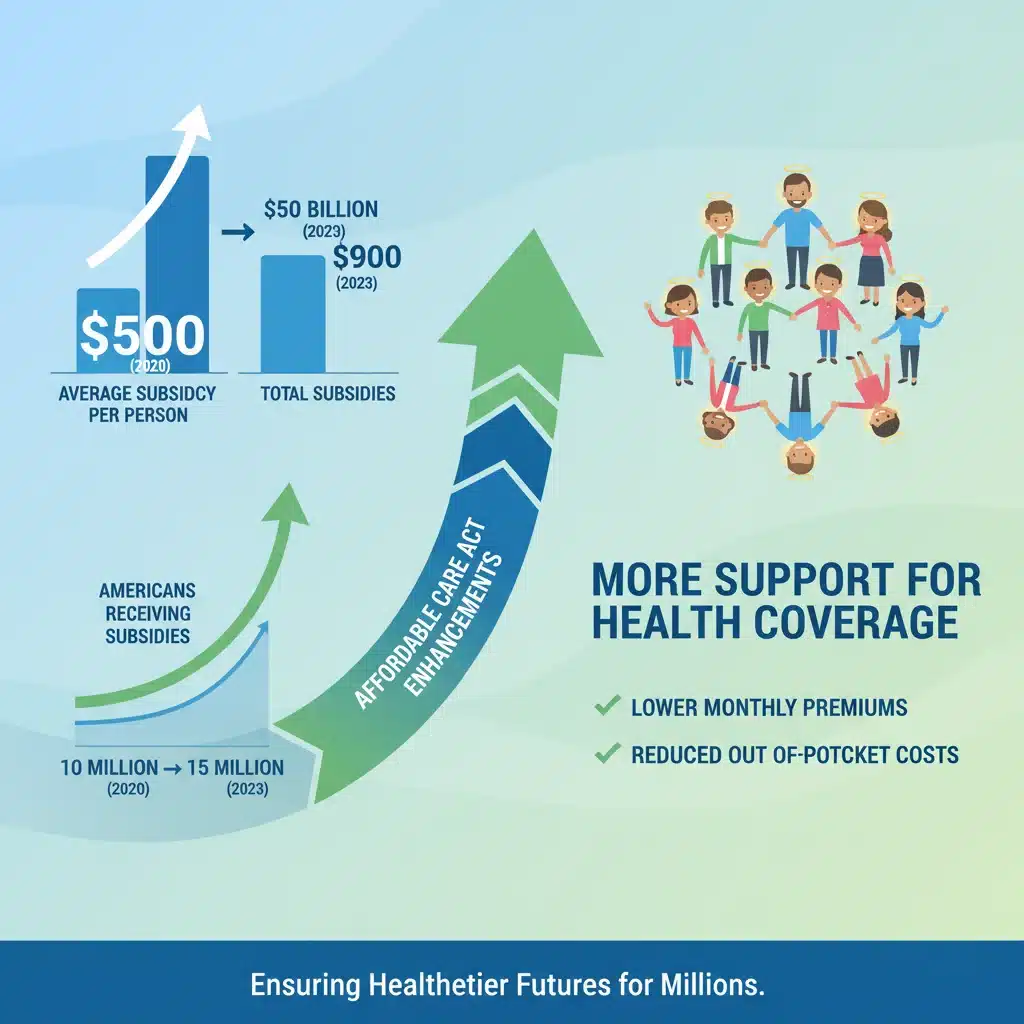
One of the most significant aspects of the upcoming HealthCare.gov 2026 Enrollment period is the potential for continued or even expanded access to enhanced subsidies. Recent legislative actions have temporarily boosted the financial assistance available through the marketplace, making health insurance more affordable than ever for millions. While some of these enhancements were temporary, there is strong political will and ongoing discussions to make them permanent or introduce new measures that further expand affordability.
The Impact of Enhanced Premium Tax Credits
Previously, eligibility for Premium Tax Credits was capped at 400% of the Federal Poverty Level (FPL). However, temporary measures eliminated this income cap, allowing more middle-income individuals and families to qualify for assistance. Additionally, these measures ensured that no one would pay more than 8.5% of their household income for a benchmark Silver plan. These changes have been instrumental in reducing healthcare costs for millions and are a key reason why HealthCare.gov 2026 Enrollment is so important.
For 2026, the discussion revolves around whether these enhanced subsidies will be extended permanently or if new legislation will introduce similar benefits. If these enhancements continue, it means:
- Lower Premiums for More People: Individuals and families with incomes above 400% FPL who previously didn’t qualify for assistance could continue to receive significant premium reductions.
- Increased Savings for Current Enrollees: Those already receiving subsidies could see their savings maintained or even increased, making their plans even more affordable.
- Reduced Healthcare Spending Burden: The cap on premium contributions helps protect households from disproportionately high healthcare costs, freeing up income for other necessities.
These subsidies are critical for achieving the goal of universal healthcare coverage. The extension or introduction of similar financial support for HealthCare.gov 2026 Enrollment could dramatically increase the number of insured Americans and reduce the burden of healthcare costs.

Who Benefits? Up to 7 Million Americans
Estimates suggest that if enhanced subsidies continue, up to 7 million Americans could gain access to more affordable health insurance during the HealthCare.gov 2026 Enrollment period. This includes:
- The Currently Uninsured: Many individuals who previously felt priced out of the market will find plans within their budget, encouraging them to enroll for the first time.
- Those with Employer-Sponsored Coverage: Even if you have access to employer-sponsored insurance, if it’s deemed unaffordable or doesn’t meet minimum value standards, you might qualify for subsidies on HealthCare.gov. The ‘family glitch’ fix, which allows family members to qualify for subsidies even if the employee’s individual coverage is affordable, is a significant factor here.
- Underinsured Individuals: People with high-deductible or limited plans might be able to upgrade to more comprehensive coverage with lower out-of-pocket costs, thanks to increased financial assistance.
The goal is to ensure that everyone has access to the care they need without facing financial hardship. The HealthCare.gov 2026 Enrollment period represents a crucial opportunity to achieve this, making health insurance a reality for millions who have struggled to afford it in the past.
Eligibility for HealthCare.gov 2026 Enrollment and Subsidies
To enroll in a plan through HealthCare.gov and qualify for subsidies, you generally need to meet several criteria:
- Residency: You must live in the United States.
- Citizenship/Immigration Status: You must be a U.S. citizen or national, or lawfully present in the U.S.
- Not Incarcerated: You cannot be currently incarcerated.
- Income Level: Your household income must be within a certain range relative to the Federal Poverty Level (FPL). With enhanced subsidies, this range has expanded significantly.
- No Access to Affordable Employer Coverage: You generally won’t qualify for subsidies if you have access to affordable health coverage through your employer that meets minimum value standards. However, as mentioned, the ‘family glitch’ fix provides an important exception for family members.
- Not Eligible for Medicare or Medicaid/CHIP: If you are eligible for Medicare, or if your state’s Medicaid or Children’s Health Insurance Program (CHIP) covers you, you typically won’t qualify for marketplace subsidies.
It’s important to remember that even if your income is above 400% FPL, you may still qualify for significant subsidies if the cost of the benchmark plan in your area exceeds 8.5% of your household income. This is a critical change that benefits many middle-income families. When you apply through HealthCare.gov during the 2026 enrollment period, the system will automatically calculate your eligibility for all available financial assistance.
Preparing for HealthCare.gov 2026 Enrollment
To ensure a smooth and successful enrollment experience, proactive preparation is key. Here’s a checklist to help you get ready for HealthCare.gov 2026 Enrollment:
- Gather Your Documents: You’ll need information for everyone in your household, including Social Security numbers (or document numbers for lawful immigrants), employer and income information (pay stubs, W-2s, self-employment records), and current health insurance policy numbers (if applicable).
- Estimate Your Income: Since subsidies are based on your projected household income for the year you want coverage (2026), it’s crucial to make an accurate estimate. Consider any expected changes in employment, salary, or family size.
- Review Your Current Plan: If you’re already insured, take time to review your current plan’s benefits, costs, and whether it still meets your needs. Premiums, deductibles, and networks can change year to year.
- Understand Your Healthcare Needs: Think about your expected healthcare usage for 2026. Do you anticipate any surgeries, new prescriptions, or frequent doctor visits? This will help you choose the right metal tier and plan type.
- Research Plans in Advance: Once plan information becomes available (usually a few weeks before Open Enrollment begins), you can start researching options in your area. Look at provider networks, prescription drug coverage, and overall costs.
- Seek Assistance if Needed: HealthCare.gov offers free assistance from navigators, agents, and brokers who can help you understand your options, apply for coverage, and enroll in a plan. Don’t hesitate to reach out for help.
Being prepared will not only save you time but also ensure you make the most informed decision about your health coverage for 2026. The HealthCare.gov 2026 Enrollment period is your opportunity to secure essential health benefits.
Navigating the HealthCare.gov Application Process
The application process on HealthCare.gov is designed to be user-friendly, but it can still seem daunting. Here’s a step-by-step guide to help you through:
- Create an Account or Log In: If you’re a new user, you’ll need to create an account. Returning users can log in with their existing credentials.
- Start a New Application: Select the option to apply for new coverage for 2026.
- Provide Household Information: Accurately enter details for everyone in your household, including their relationship to you, age, and Social Security numbers.
- Estimate Income for 2026: This is a critical step. Be as accurate as possible, as your subsidy eligibility depends on this estimate. The marketplace will cross-reference this with IRS data.
- Answer Questions About Current Coverage: Indicate if anyone in your household currently has health insurance or access to employer-sponsored coverage.
- Review Eligibility Results: After submitting your application, HealthCare.gov will tell you if you qualify for Premium Tax Credits, Cost-Sharing Reductions, or Medicaid/CHIP.
- Compare Plans: You’ll then be able to browse available plans in your area, with your estimated subsidies applied to the displayed premiums. Filter by metal tier, health insurance company, deductible, and other preferences.
- Select a Plan: Choose the plan that best fits your needs and budget. Pay close attention to the monthly premium, deductible, out-of-pocket maximum, and network of doctors and hospitals.
- Enroll: Follow the prompts to complete your enrollment. You may be required to make your first premium payment directly to the insurance company to activate your coverage.
Remember to update your application during the year if your income or household size changes. This ensures your subsidies are accurate and helps avoid issues during tax season. For the HealthCare.gov 2026 Enrollment, accuracy in your application is key.
Special Enrollment Periods (SEPs)
While Open Enrollment is the primary time to enroll, certain life events may qualify you for a Special Enrollment Period outside of the regular window. These events include:
- Loss of other health coverage (e.g., losing job-based coverage, COBRA ending, turning 26 and coming off a parent’s plan).
- Changes in household (e.g., getting married, having a baby, adopting a child, divorce/legal separation).
- Changes in residence (e.g., moving to a new county or state).
- Changes in eligibility for financial help (e.g., a significant change in income that affects your subsidy eligibility).
- Other qualifying events (e.g., gaining citizenship, leaving incarceration, certain Native American statuses).
If you experience any of these events, you typically have 60 days from the date of the event to enroll in a new plan. It’s crucial to report these changes promptly to HealthCare.gov to ensure you maintain continuous coverage and receive the correct amount of financial assistance. Even outside the HealthCare.gov 2026 Enrollment period, these SEPs provide vital access to coverage.
The Broader Impact of HealthCare.gov 2026 Enrollment
The success of HealthCare.gov 2026 Enrollment, particularly with the continued availability of enhanced subsidies, extends beyond individual households. It has a ripple effect on the entire healthcare ecosystem:
- Reduced Uninsured Rates: More affordable options lead to fewer uninsured individuals, which in turn reduces uncompensated care costs for hospitals and healthcare providers.
- Improved Public Health: When more people have health insurance, they are more likely to seek preventive care and manage chronic conditions, leading to a healthier population overall.
- Economic Stability: Health insurance protects individuals and families from medical debt, which is a leading cause of bankruptcy in the U.S. By reducing this burden, it contributes to greater economic stability for households.
- Market Stability for Insurers: A larger, more diverse pool of insured individuals helps stabilize the insurance market, allowing insurers to offer more competitive plans and keep premiums in check.
The ongoing commitment to making health insurance accessible through HealthCare.gov reflects a broader national effort to strengthen the social safety net and ensure that healthcare is a right, not a privilege. The HealthCare.gov 2026 Enrollment period is a testament to this enduring commitment.
Common Misconceptions About HealthCare.gov
Despite years of operation, several misconceptions about HealthCare.gov persist. Addressing these can help clarify the enrollment process:
- Myth: HealthCare.gov is only for low-income individuals.
Reality: While it provides significant assistance to low-income individuals, enhanced subsidies mean many middle-income families also qualify for substantial financial help, even those earning well above the federal poverty level. - Myth: Enrollment is too complicated.
Reality: While it requires gathering information, the website is designed to be user-friendly. Free assistance from navigators and brokers is readily available to guide you through every step. - Myth: You can only get ‘Obamacare’ plans.
Reality: HealthCare.gov offers plans from a variety of private insurance companies. ‘Obamacare’ refers to the Affordable Care Act, which created the marketplace and set standards for these plans, but the plans themselves are from familiar insurers. - Myth: If you have a pre-existing condition, you can be denied coverage.
Reality: Under the ACA, insurance companies cannot deny you coverage or charge you more based on a pre-existing condition. All plans offered on HealthCare.gov must cover essential health benefits.
Understanding these realities is crucial for anyone considering coverage through HealthCare.gov 2026 Enrollment. Don’t let misinformation prevent you from exploring your options.
Conclusion: Your Path to Affordable Coverage in 2026
The HealthCare.gov 2026 Enrollment period represents a critical opportunity for millions of Americans to secure affordable, comprehensive health insurance. With the anticipated continuation of enhanced subsidies and expanded eligibility, more individuals and families than ever before will find financial relief in their quest for quality healthcare.
By understanding the key dates, preparing your necessary documents, accurately estimating your income, and exploring the available plans, you can navigate the enrollment process with confidence. Remember to utilize the free assistance available if you have questions or need guidance. Whether you are currently uninsured, seeking better coverage, or looking for more affordable options, HealthCare.gov 2026 Enrollment is your gateway to essential health benefits.
Don’t wait until the last minute. Mark your calendars, gather your information, and be ready to act when Open Enrollment begins. Your health, and your financial well-being, depend on it. Stay informed, stay prepared, and take control of your healthcare future during the HealthCare.gov 2026 Enrollment period.