U.S. Unemployment Rate: January 2026 Report Analysis & Financial Impact
Anúncios
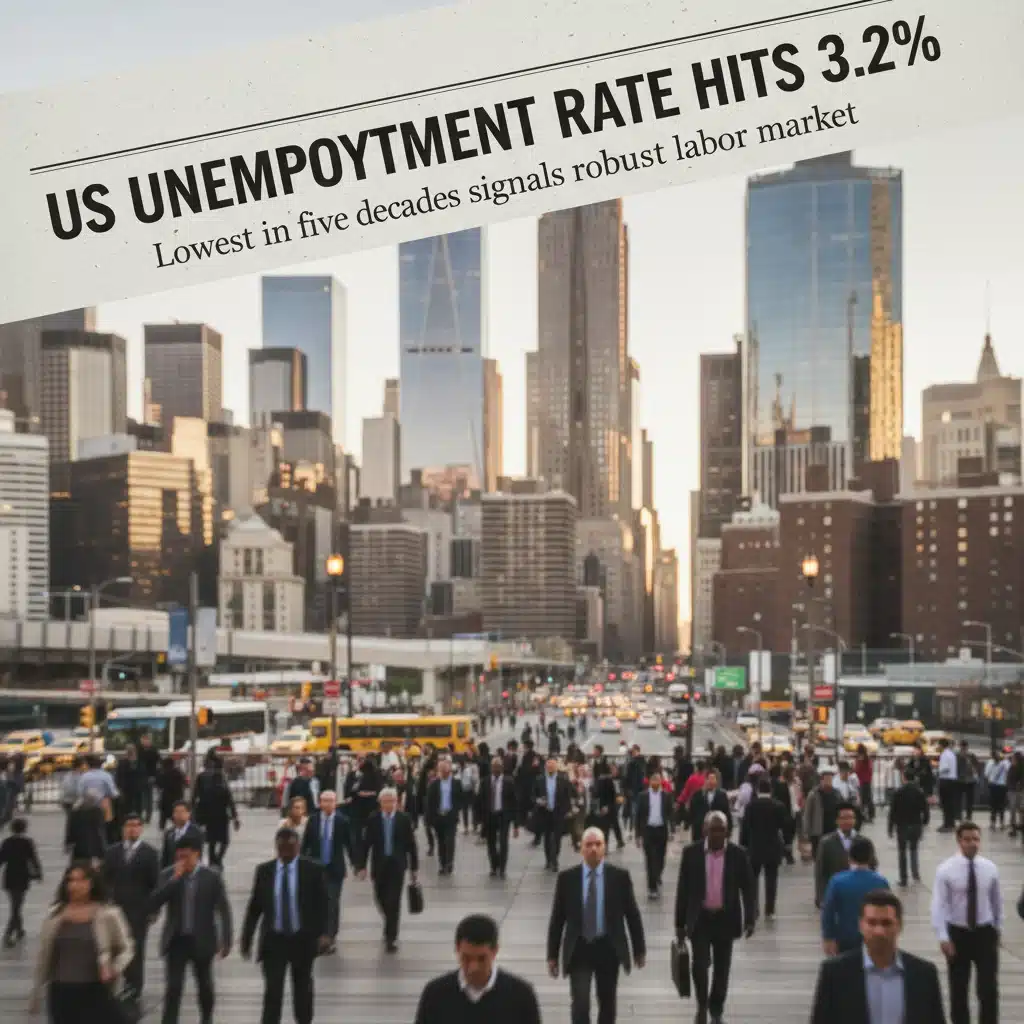
Breaking: U.S. Unemployment Rate Hits 3.2% in January 2026 – What the Latest Jobs Report Means for Your Financial Outlook
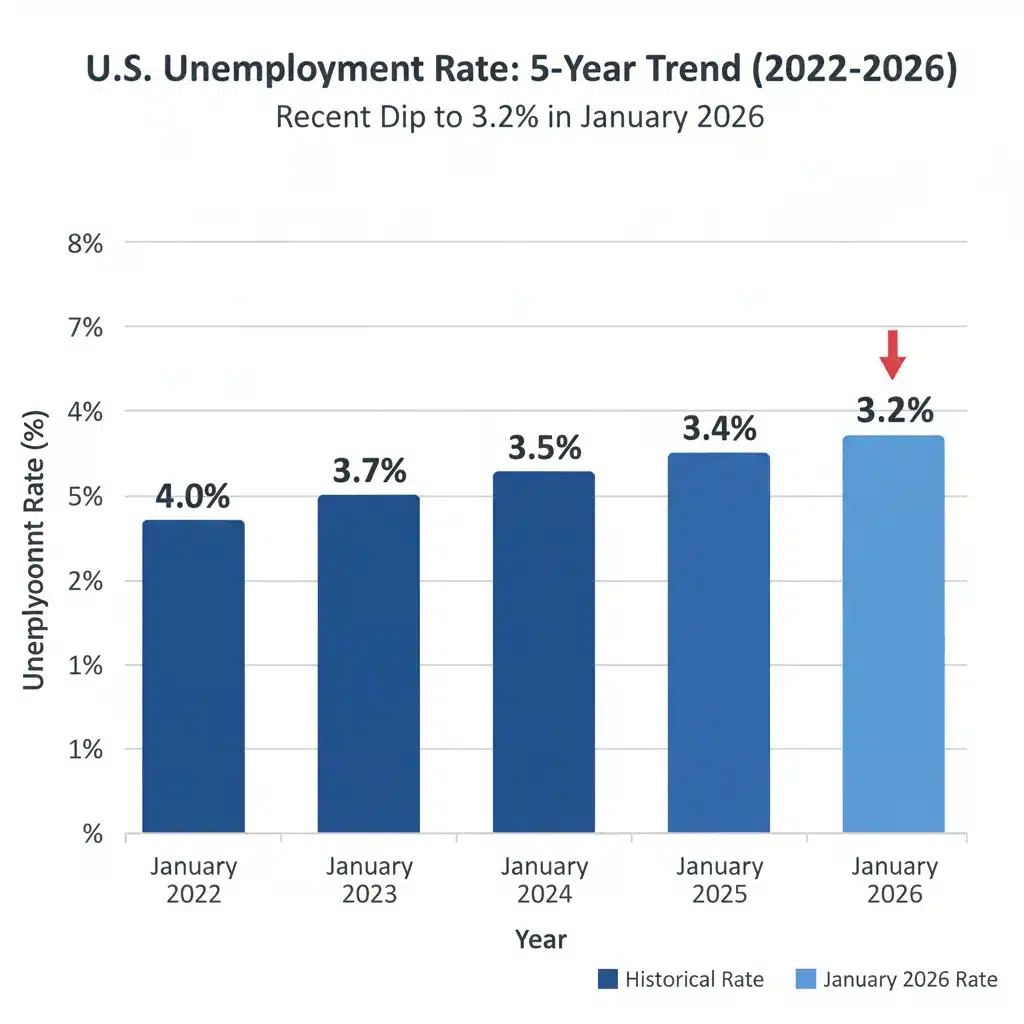
The economic landscape of the United States continues to evolve at a rapid pace, and few indicators capture the pulse of the nation’s financial health quite like the US unemployment rate. In a significant development that has economists, investors, and everyday citizens talking, the latest jobs report for January 2026 reveals that the US unemployment rate has fallen to a remarkably low 3.2%. This figure represents a robust and dynamic labor market, but what does this mean for you, your investments, your savings, and your overall financial outlook?
Understanding the nuances of this report is crucial for making informed financial decisions. A low US unemployment rate typically signals a strong economy, where businesses are hiring, consumer spending is healthy, and wage growth might be on an upward trajectory. However, it also brings considerations about inflation, interest rates, and the potential for an overheated economy. This comprehensive article will delve into the specifics of the January 2026 jobs report, analyze its implications, and provide actionable insights to help you navigate the current economic climate.
Anúncios
Understanding the January 2026 Jobs Report: Key Figures and What They Mean
The January 2026 jobs report from the Bureau of Labor Statistics (BLS) is more than just a single number. While the headline US unemployment rate of 3.2% is undoubtedly the attention-grabber, a deeper dive reveals several other critical metrics that paint a fuller picture of the labor market. These include non-farm payroll additions, average hourly earnings, labor force participation, and sector-specific employment changes.
The Headline: 3.2% Unemployment Rate
A 3.2% US unemployment rate is historically low, suggesting that nearly everyone who wants a job can find one. This level of unemployment is often associated with periods of strong economic expansion. For individuals, this means a potentially easier time finding employment, negotiating higher wages, and greater job security. For businesses, it can mean increased competition for talent, potentially leading to higher labor costs, but also a healthy consumer base ready to spend.
Anúncios
Non-Farm Payroll Additions
Beyond the US unemployment rate, the number of non-farm payrolls added in January provides insight into the pace of job creation. A significant increase here indicates broad-based growth across various industries. If the economy added a substantial number of jobs, it reinforces the narrative of a booming labor market. Conversely, if job additions were modest despite the low unemployment rate, it could suggest that the economy is nearing full employment, with fewer new jobs being created, but existing workers remaining employed.
Average Hourly Earnings
Wage growth is a crucial component of the jobs report. When the US unemployment rate is low, demand for labor is high, which often translates into upward pressure on wages. An increase in average hourly earnings is positive for workers, boosting their purchasing power. However, if wage growth outpaces productivity, it can contribute to inflationary pressures, a concern for the Federal Reserve and consumers alike. Monitoring this metric helps gauge the balance between worker prosperity and potential economic overheating.
Labor Force Participation Rate
The labor force participation rate measures the percentage of the working-age population that is either employed or actively looking for work. A rising participation rate alongside a low US unemployment rate indicates that more people are entering the workforce, feeling confident about their job prospects. This is a very healthy sign, suggesting that the economic recovery is broad and drawing people back into employment. If the participation rate remains stagnant or declines, even with low unemployment, it could signal underlying structural issues in the labor market.
Economic Implications of a 3.2% US Unemployment Rate
The exceptionally low US unemployment rate of 3.2% has far-reaching implications across the entire economy. From monetary policy to consumer behavior, every sector feels the ripple effect of a tight labor market.
Monetary Policy and the Federal Reserve
The Federal Reserve closely monitors the US unemployment rate as one of its dual mandate targets (maximum employment and price stability). A low unemployment rate, especially one accompanied by strong wage growth, often signals that the economy is operating at or near its full potential. This scenario typically gives the Fed reason to consider tightening monetary policy, such as raising interest rates, to prevent inflation from spiraling out of control. Higher interest rates can impact everything from mortgage rates to business borrowing costs, making it a critical factor for financial planning.
Inflationary Pressures
When the US unemployment rate is low, businesses face increased competition for workers, often leading to higher wages. These increased labor costs can be passed on to consumers in the form of higher prices for goods and services, contributing to inflation. While moderate inflation is a sign of a healthy economy, sustained high inflation erodes purchasing power and can destabilize financial markets. Consumers and investors need to be mindful of how their savings and investments might be affected by rising prices.
Consumer Spending and Confidence
A low US unemployment rate generally translates to higher consumer confidence. When people feel secure in their jobs and see their wages increasing, they are more likely to spend, invest, and take on debt for major purchases like homes and cars. This increased consumer spending is a significant driver of economic growth. Businesses benefit from this robust demand, leading to higher revenues and potentially further job creation, creating a virtuous cycle.
Impact on Your Financial Outlook: What You Should Do Now
Given the latest jobs report and the 3.2% US unemployment rate, it’s an opportune time to review and potentially adjust your personal financial strategies. Here’s how this economic environment might affect various aspects of your finances and what steps you can take.
For Job Seekers and Employees
- Negotiate for Higher Wages: With a tight labor market and low US unemployment rate, employers are competing for talent. If you’re employed, this could be an excellent time to negotiate for a raise or better benefits. If you’re seeking a job, you may find more opportunities and stronger offers.
- Skill Development: Even in a strong job market, continuous learning and skill development are crucial. Investing in new skills can enhance your marketability and earning potential, safeguarding your career against future economic shifts.
- Job Security: A low US unemployment rate generally means higher job security. However, always be prepared by maintaining an emergency fund and a strong professional network.
For Investors
- Review Your Portfolio: A strong economy with potential for rising interest rates can shift market dynamics. Growth stocks might face headwinds if borrowing costs increase, while value stocks or those in sectors less sensitive to interest rates might perform better. Consider rebalancing your portfolio to align with current economic conditions.
- Inflation Hedging: If inflation concerns arise due to the low US unemployment rate and wage growth, consider assets that traditionally perform well during inflationary periods, such as real estate, commodities, or Treasury Inflation-Protected Securities (TIPS).
- Interest Rate Sensitivity: Companies with high debt loads might be more vulnerable to rising interest rates. Evaluate your holdings for interest rate sensitivity and diversify accordingly.
For Savers
- Higher Savings Rates: If the Federal Reserve raises interest rates in response to a low US unemployment rate and inflation, you might see higher returns on savings accounts, money market accounts, and Certificates of Deposit (CDs). Shop around for the best rates to maximize your earnings.
- Emergency Fund: Always prioritize building and maintaining a robust emergency fund, typically 3-6 months of living expenses. A strong economy doesn’t negate the need for financial safety nets.
For Borrowers
- Mortgage Rates: If interest rates rise, so too will mortgage rates. If you’re considering buying a home or refinancing, it might be prudent to act sooner rather than later to lock in a favorable rate.
- Variable-Rate Debt: Be mindful of variable-rate debt, such as certain credit cards or adjustable-rate mortgages. As interest rates climb, so will your monthly payments. Consider consolidating or refinancing into fixed-rate options if possible.
Potential Headwinds and Challenges
While a 3.2% US unemployment rate is largely positive, it’s not without its potential challenges. Understanding these can help you prepare for future economic shifts.
Risk of Overheating and Recession
An economy operating at full employment, as suggested by the low US unemployment rate, can sometimes become overheated. This means demand outstrips supply, leading to rapid inflation. To combat this, central banks might aggressively raise interest rates, which, if too severe, can tip the economy into a recession. Monitoring economic indicators beyond just unemployment, such as GDP growth, consumer price index (CPI), and manufacturing data, is crucial.
Labor Shortages and Supply Chain Issues
A very low US unemployment rate can lead to labor shortages in specific sectors, making it difficult for businesses to find the workers they need. This can constrain production, increase costs, and exacerbate existing supply chain issues. These challenges can limit economic growth and contribute to higher prices for consumers.
Inequality and Disparities
Even with a low national US unemployment rate, significant disparities can exist across different demographics, regions, and skill levels. Certain groups might still face higher unemployment rates or stagnating wages. It’s important to remember that national averages can sometimes mask underlying inequalities that require targeted policy solutions.

Historical Context: How Does 3.2% Compare?
To truly appreciate the significance of a 3.2% US unemployment rate, it’s helpful to look at historical data. Such low levels of unemployment have been relatively rare in recent decades, often occurring during periods of robust economic expansion. For instance, the unemployment rate reached similar lows in the late 1960s, late 1990s, and just before the COVID-19 pandemic. Each of these periods had its unique economic characteristics, but a common thread was strong job growth and generally positive economic sentiment.
Comparing the current situation to these historical precedents can offer clues about potential future trends. For example, periods of sustained low unemployment often precede periods of wage growth acceleration, but also carry the risk of inflation if not managed carefully by monetary policy. Understanding this historical context helps in forecasting potential economic trajectories and preparing for them.
The Role of Government Policy and Future Outlook
Government policies play a significant role in shaping the labor market and the broader economy. Fiscal policies (government spending and taxation) and monetary policies (interest rates and money supply) both influence the US unemployment rate and its impact.
Fiscal Policy
Government spending on infrastructure, education, or social programs can stimulate job creation and reduce unemployment. Tax policies can also incentivize businesses to hire or encourage consumer spending. In an environment with a low US unemployment rate, policymakers might shift focus from job creation to managing inflation or addressing structural issues in the labor market.
Future Outlook
Looking ahead, the trajectory of the US unemployment rate will depend on a confluence of factors: global economic conditions, technological advancements, geopolitical events, and domestic policy decisions. Continued low unemployment is desirable, but sustainable growth requires careful balancing of various economic forces. Experts will be closely watching for signs of wage-price spirals, productivity growth, and shifts in consumer and business sentiment.
The January 2026 jobs report paints a picture of a very strong labor market, with the US unemployment rate at a near-record low of 3.2%. While this is largely positive news, it necessitates a careful review of your financial strategies. Whether you are an employee, job seeker, investor, saver, or borrower, understanding the implications of this report is key to navigating the current economic landscape successfully. By staying informed and adapting your financial plans, you can position yourself to thrive in this dynamic economic environment.
Remember, economic data is constantly evolving. It’s always wise to consult with a financial advisor to tailor strategies specific to your individual circumstances and goals. The current low US unemployment rate offers opportunities, but also requires vigilance and proactive financial management.