Navigating SEC Regulations: Investment Platforms 2026 Compliance Guide

Anúncios
The financial landscape is in a constant state of flux, driven by technological advancements, market dynamics, and, perhaps most significantly, evolving regulatory frameworks. For investment platforms, staying abreast of these changes is not merely good practice; it’s a fundamental requirement for operational integrity, client trust, and legal standing. As we look towards 2026, the Securities and Exchange Commission (SEC) continues to refine and introduce new regulations aimed at enhancing investor protection, promoting market integrity, and addressing emerging risks. Understanding these forthcoming SEC Regulations 2026 is paramount for any investment platform aiming to thrive in a highly scrutinized environment.
This comprehensive guide delves into the anticipated and confirmed changes in SEC Regulations 2026, providing investment platforms with the insights needed to prepare proactively. We will explore key areas of focus for the SEC, potential impacts on various operational facets, and actionable strategies for ensuring robust compliance. The goal is not just to meet the minimum requirements but to leverage compliance as a competitive advantage, fostering greater transparency and resilience within your operations.
Anúncios
The Evolving Regulatory Landscape: What to Expect from SEC Regulations 2026
The SEC’s regulatory agenda is often shaped by current events, technological innovations, and systemic risks. In recent years, themes such as cybersecurity, climate-related disclosures, private fund oversight, and the responsible use of artificial intelligence have gained significant traction. These areas are likely to form the bedrock of many new or amended SEC Regulations 2026.
Cybersecurity and Data Privacy: A Persistent Priority
With the increasing sophistication of cyber threats, the SEC has consistently emphasized the importance of robust cybersecurity measures for financial institutions. Investment platforms, holding vast amounts of sensitive client data and managing significant capital, are prime targets. Expect SEC Regulations 2026 to further tighten requirements around cyber risk management, incident response planning, and disclosure of material cybersecurity incidents. This could include more prescriptive rules on vulnerability assessments, penetration testing, and the implementation of specific security controls. Platforms will need to demonstrate not only that they have policies in place but also that these policies are actively implemented, regularly tested, and continuously improved. The interplay between SEC rules and other data privacy regulations, such as GDPR or state-level privacy laws, will also demand a harmonized approach to data governance.
Anúncios
ESG Disclosures: Broadening the Scope
Environmental, Social, and Governance (ESG) factors have moved from niche considerations to mainstream investment criteria. The SEC has been actively working on rules to standardize and enhance climate-related disclosures, and similar efforts may extend to other ESG aspects. For investment platforms, this means not only understanding the disclosure requirements for their own operations but also ensuring that the ESG claims made by the funds and securities they offer are accurate and substantiated. SEC Regulations 2026 might introduce more granular reporting mandates, requiring platforms to verify the ESG data they present to investors, potentially leading to increased due diligence obligations and a need for robust data management systems capable of tracking and reporting diverse ESG metrics.
Private Funds: Enhanced Scrutiny
The private funds industry, including hedge funds and private equity firms, has seen substantial growth, attracting increased regulatory attention. The SEC has expressed concerns regarding transparency, conflicts of interest, and fees within this sector. While some rules have already been proposed or finalized, further refinements and new rules under SEC Regulations 2026 could focus on areas such as:
- Advisory Fee and Expense Disclosures: More standardized and detailed reporting of fees and expenses charged to private fund investors.
- Preferential Treatment: Restrictions or enhanced disclosures regarding preferential treatment offered to certain investors.
- Audits and Valuations: Stricter requirements for independent audits and fair valuation practices.
Investment platforms that service or offer private funds will need to ensure their operational procedures align with these heightened standards, potentially requiring significant adjustments to their onboarding, reporting, and oversight processes.
AI and Digital Assets: Navigating the Frontier
The rapid adoption of artificial intelligence (AI) in financial services, from algorithmic trading to personalized investment advice, presents both opportunities and regulatory challenges. The SEC is keenly observing how AI is used, particularly concerning potential biases, market manipulation, and the quality of advice provided. While comprehensive AI-specific regulations may still be in development, SEC Regulations 2026 could begin to lay groundwork, perhaps through guidance or amendments to existing rules regarding disclosure of AI usage, risk management frameworks for AI-driven systems, and accountability for AI-generated outcomes. Similarly, the digital asset space remains a priority. While the regulatory framework for cryptocurrencies and other digital assets is still evolving, investment platforms dealing with these assets should anticipate continued efforts by the SEC to classify and regulate them, focusing on investor protection, market integrity, and anti-money laundering (AML) concerns.
Key Areas of Impact for Investment Platforms
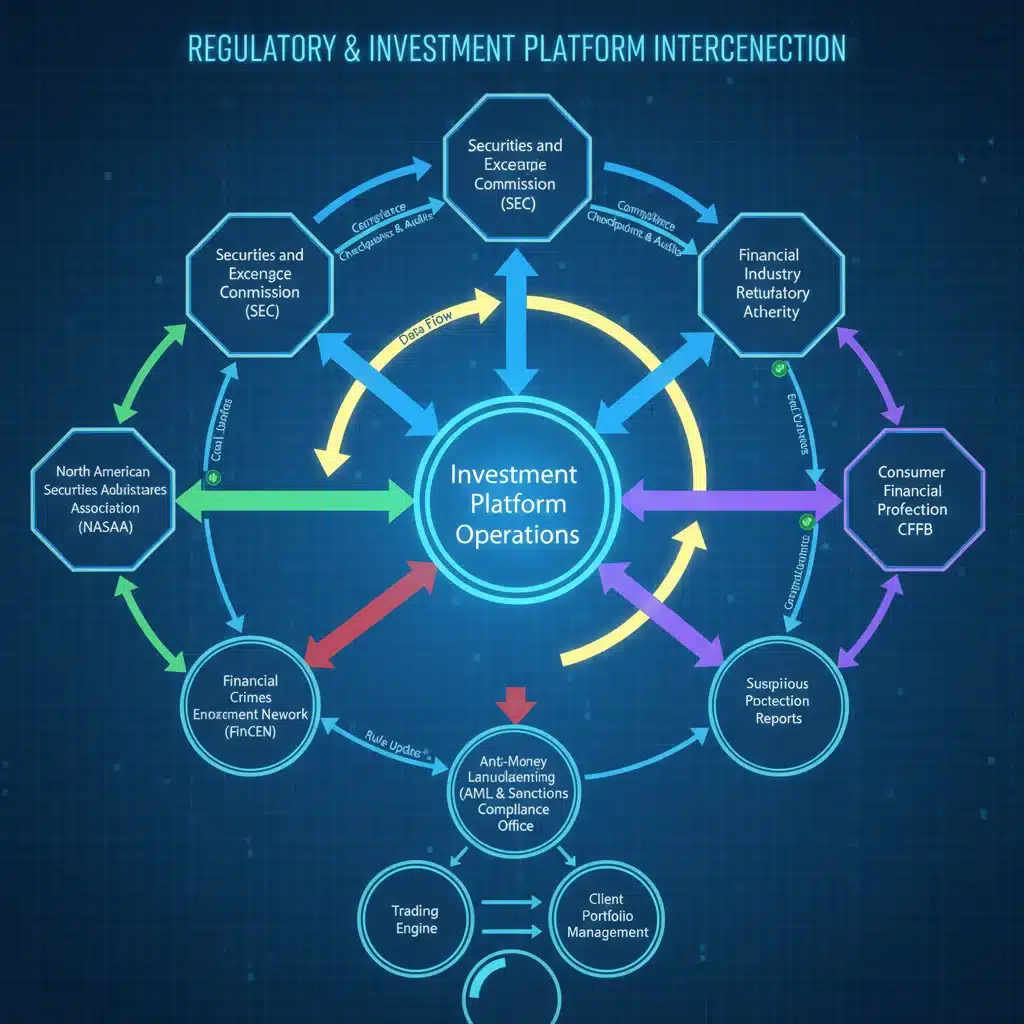
The anticipated SEC Regulations 2026 will likely touch upon several core operational areas for investment platforms. Proactive assessment and adaptation in these areas will be crucial for seamless compliance.
Technology and Infrastructure
Compliance with new regulations often necessitates upgrades to technological infrastructure. Enhanced cybersecurity requirements will demand advanced threat detection systems, secure data storage solutions, and robust incident response platforms. ESG reporting and private fund transparency will require sophisticated data aggregation, analytics, and reporting tools capable of handling diverse data sets. Investment platforms should begin evaluating their current technology stacks to identify gaps and plan for necessary investments.
Data Management and Reporting
The common thread running through many new regulations is the demand for greater transparency and more detailed reporting. This places a significant burden on data management. Platforms will need robust data governance frameworks to ensure data accuracy, integrity, and accessibility. This includes:
- Data Sourcing: Establishing reliable and verifiable sources for all required data (e.g., ESG metrics, private fund expenses).
- Data Quality: Implementing processes for data validation, cleansing, and reconciliation.
- Data Security: Protecting sensitive data throughout its lifecycle.
- Reporting Automation: Leveraging technology to automate report generation to reduce manual errors and improve efficiency.
Effective data management will be a cornerstone of compliance with SEC Regulations 2026.
Risk Management Frameworks
Regulatory changes often lead to the need for updated risk management frameworks. For instance, new cybersecurity rules will require platforms to integrate cyber risk more deeply into their enterprise-wide risk management. The use of AI will necessitate new risk assessment methodologies to identify and mitigate risks associated with algorithmic biases or system failures. Platforms should review and update their risk registers, risk appetite statements, and internal control systems to reflect the evolving regulatory landscape.
Client Communications and Disclosures
Increased transparency requirements will directly impact how investment platforms communicate with their clients. Disclosures related to fees, expenses, ESG factors, and potential conflicts of interest will need to be clear, concise, and easily understandable. Platforms may need to revise their client agreements, prospectuses, and marketing materials. The SEC’s ongoing focus on retail investor protection means that these disclosures must be genuinely informative and not merely legally compliant. This also extends to how platforms communicate about new technologies like AI and digital assets, ensuring clients understand the associated risks and benefits.
Operational Procedures and Internal Controls
Ultimately, compliance is embedded in day-to-day operations. New regulations will likely require adjustments to existing operational procedures. This could involve new workflows for due diligence, transaction processing, client onboarding, and compliance monitoring. Strengthening internal controls will be critical to ensure adherence to these updated procedures. Regular internal audits and independent reviews will become even more important to identify and rectify any compliance gaps before they become significant issues.
Strategies for Proactive Compliance with SEC Regulations 2026
Navigating the complexities of SEC Regulations 2026 requires a proactive and strategic approach. Waiting until new rules are finalized can leave platforms scrambling to catch up, incurring higher costs and increasing the risk of non-compliance.
1. Establish a Dedicated Regulatory Watch Team
Assign a dedicated team or individual responsible for monitoring regulatory developments from the SEC and other relevant bodies. This team should track proposed rules, comment periods, and final rulings, providing regular updates to senior management and relevant departments. Early awareness allows for longer planning horizons and more thoughtful implementation strategies.
2. Conduct a Comprehensive Gap Analysis
Once potential regulatory changes are identified, conduct a thorough gap analysis to compare current policies, procedures, and systems against anticipated requirements. This will highlight areas where changes are needed, whether it’s in technology, processes, staffing, or training. Prioritize these gaps based on their potential impact and the effort required to address them.
3. Invest in Technology and Automation
Leverage technology to streamline compliance efforts. Investing in regulatory technology (RegTech) solutions can automate data collection, reporting, risk assessments, and compliance monitoring. This not only improves efficiency but also reduces human error and enhances the accuracy of compliance data. For example, AI-powered tools can help monitor communications for compliance breaches or analyze vast datasets for ESG reporting.
4. Foster a Culture of Compliance
Compliance is not just the responsibility of the legal or compliance department; it must be ingrained in the organizational culture. Regular training for all employees on new SEC Regulations 2026, clear communication of policies, and visible leadership commitment to ethical conduct are essential. Employees should understand their role in maintaining compliance and feel empowered to raise concerns.
5. Engage with Legal and Compliance Experts
Partner with external legal counsel and compliance consultants who specialize in financial regulations. Their expertise can be invaluable in interpreting complex rules, providing guidance on implementation, and reviewing compliance frameworks. They can also offer insights into best practices and help navigate potential enforcement risks.

6. Scenario Planning and Stress Testing
Develop scenarios based on potential regulatory changes and stress test your systems and processes. For instance, how would your platform handle a sudden increase in granular ESG reporting requirements? Or a significant cybersecurity breach disclosure mandate? This proactive testing can reveal weaknesses and allow for adjustments before new regulations come into full effect.
7. Maintain Robust Documentation
Comprehensive documentation of all compliance policies, procedures, training records, and risk assessments is critical. In the event of an SEC examination, well-organized and thorough documentation can demonstrate a firm’s commitment to compliance and help explain its operational practices. This includes documenting decisions made regarding the interpretation and implementation of new SEC Regulations 2026.
The Broader Implications of SEC Regulations 2026
Beyond direct compliance, the evolving regulatory landscape will have broader implications for investment platforms and the financial industry as a whole.
Increased Operational Costs
Implementing new systems, training staff, and engaging external experts will inevitably lead to increased operational costs. Platforms must factor these costs into their business models and pricing strategies. However, viewing these as investments in long-term stability and client trust can mitigate the perception of them as mere expenses.
Competitive Landscape Shifts
Smaller firms or those with fewer resources may struggle to keep pace with the demands of new SEC Regulations 2026. This could lead to consolidation in the industry as larger, more compliant firms acquire smaller ones, or it could spur innovation in RegTech solutions that level the playing field. Platforms that can efficiently adapt and demonstrate strong compliance may gain a competitive edge, attracting investors who prioritize security and transparency.
Enhanced Investor Confidence
Ultimately, the SEC’s mission is to protect investors and maintain fair, orderly, and efficient markets. Stricter regulations, while challenging to implement, can lead to greater transparency and reduced risk, thereby boosting investor confidence in investment platforms and the broader financial system. Platforms that embrace these changes and communicate their commitment to investor protection effectively will likely build stronger, more loyal client bases.
Innovation and Efficiency
While regulations can sometimes be perceived as stifling innovation, they can also be a catalyst. The need to comply with complex reporting requirements, for instance, can drive the development of more efficient data management and analytics tools. Similarly, enhanced cybersecurity mandates can push platforms to adopt cutting-edge security technologies, ultimately making them more resilient and innovative.
Conclusion
The journey towards 2026 will undoubtedly bring significant regulatory changes for investment platforms. The Securities and Exchange Commission’s ongoing commitment to investor protection, market integrity, and addressing emerging risks means that staying informed and proactive is no longer optional. By understanding the potential scope of SEC Regulations 2026 in areas such as cybersecurity, ESG disclosures, private funds, and the use of AI, platforms can begin to prepare today.
Successful navigation of this evolving landscape will hinge on strategic investments in technology, robust data governance, adaptive risk management, and a strong culture of compliance. Those investment platforms that embrace these challenges as opportunities to enhance their operations, build greater trust with clients, and strengthen their market position will be best placed to thrive in the years to come. Proactive engagement, continuous monitoring, and a commitment to excellence in compliance will be the hallmarks of leading investment platforms in 2026 and beyond.