
Unclaimed Benefits US: Your Guide to Discovering if You’re Owed Up to $500 by December 2026
In today’s fast-paced world, it’s easy for things to slip through the cracks – and that includes money! Believe it or not, billions of dollars in unclaimed benefits US are sitting in state treasuries and federal agencies, just waiting for their rightful owners to claim them. From forgotten bank accounts and uncashed checks to dormant insurance policies and old utility deposits, a significant amount of money goes unclaimed each year. What if some of it belongs to you?
This comprehensive guide will walk you through everything you need to know about finding and claiming your share of these forgotten funds. We’ll focus on how to discover if you’re owed up to $500 or more, and critically, why the December 2026 deadline for certain benefits makes now the perfect time to act. Don’t let your hard-earned money gather dust; let’s embark on this financial treasure hunt together!
Anúncios
What Exactly Are Unclaimed Benefits US?
The term ‘unclaimed benefits US‘ can encompass a wide variety of financial assets. It’s not always about government handouts; often, it’s money that was legitimately yours but somehow got separated from you. Think of it as a financial lost-and-found. These funds can originate from:
- Dormant Bank Accounts: Savings or checking accounts that have seen no activity for a specified period (usually 3-5 years).
- Uncashed Checks: Paychecks, refunds, dividends, or other payments that were never deposited.
- Utility Deposits: Money you paid to a utility company (electricity, gas, water) that was never returned when you moved.
- Insurance Proceeds: Life insurance policies where beneficiaries are unaware of the policy or haven’t claimed the payout.
- Stock and Mutual Fund Dividends: Unclaimed shares, dividends, or bond interest.
- Tax Refunds: Federal or state tax refunds that were never delivered or cashed.
- Wages: Final paychecks or outstanding wages from former employers.
- Contents of Safe Deposit Boxes: Items from safe deposit boxes that have been deemed abandoned.
- Estate Proceeds: Inheritances or distributions from estates that couldn’t be delivered to heirs.
- Government Payments: This can include certain federal or state benefits, old stimulus checks, or other government-issued payments that went uncashed.
Each state has laws regarding how long a company or institution must hold onto these funds before they are turned over to the state’s unclaimed property division. Once transferred, the state becomes the custodian, holding the money indefinitely until the rightful owner or their heirs come forward.
Why So Much Unclaimed Money? Common Reasons for Lost Funds
It might seem incredible that so much money goes unclaimed, but there are several common scenarios that lead to this situation:
Anúncios
- Moving Without Updating Address: This is perhaps the most frequent culprit. When you move and don’t update your address with banks, employers, or utility companies, checks and statements can’t reach you.
- Forgotten Accounts: Small, infrequently used bank accounts, old investment accounts, or even gift cards can be forgotten over time.
- Name Changes: Marriage, divorce, or other legal name changes can complicate matching individuals to their funds if not properly updated across all financial institutions.
- Death of a Loved One: Heirs may be unaware of all the assets a deceased family member held, leading to forgotten insurance policies or dormant accounts.
- Administrative Errors: Sometimes, human error or system glitches can lead to misdirected payments or records.
- Small Amounts: People might not bother to chase down a small refund or check, not realizing that even small amounts can add up, and that the process is often simpler than they think.
- Company Mergers or Bank Closures: When companies merge or banks close, records can sometimes be lost or transferred incorrectly, making it harder for individuals to track their funds.
Understanding these reasons can help you think about where your own unclaimed benefits US might be hiding.
The Critical December 2026 Deadline: What You Need to Know
While most state unclaimed property programs hold funds indefinitely, certain federal programs or specific types of benefits can have deadlines. The mention of December 2026 is crucial and often refers to specific federal tax refunds or stimulus payments that have statutory limits for claiming. For instance:
- Old Federal Tax Refunds: The IRS generally allows taxpayers three years from the tax return due date to claim a refund. If you didn’t file a return for a specific year and were due a refund, or if you filed but never received or cashed the refund check, there’s a deadline to claim it. For many older tax years, the window has closed, but for more recent years, you might still have time. The December 2026 date could relate to a specific tax year’s unclaimed refunds that are nearing their expiration.
- Stimulus Checks/Economic Impact Payments: While most stimulus checks were issued and claimed, some individuals might still be eligible for recovery rebate credits if they missed out on earlier payments and didn’t file a tax return. These often have a filing deadline that can extend a few years past the initial issuance.
- Other Federal Benefits: Less commonly, certain one-time federal programs or specific benefit payouts might have claim deadlines.
It’s important to clarify that the December 2026 deadline is not a universal cutoff for all unclaimed benefits US. State unclaimed property divisions typically hold funds forever. However, for federal funds, especially tax-related ones, these deadlines are firm. Missing them means permanently forfeiting your money. Therefore, acting proactively to check for any outstanding federal refunds or credits is paramount.
How to Search for Your Unclaimed Benefits US: A Step-by-Step Guide
The good news is that searching for unclaimed benefits US is usually free and relatively straightforward. You don’t need to pay a third-party company to do this for you, although legitimate services exist for complex cases. Here’s how to conduct your own search:
Step 1: Start with MissingMoney.com – Your Primary Resource
The National Association of Unclaimed Property Administrators (NAUPA) sponsors MissingMoney.com. This is the most comprehensive, free, and legitimate database for unclaimed property reported by most states and provinces in North America. It allows you to search multiple states at once.
- Visit the Website: Go to MissingMoney.com.
- Enter Your Information: Provide your name (and any previous names, like maiden names), and you can specify a state or search all participating states.
- Review Results: The site will display potential matches. If you find a match, it will direct you to the specific state’s unclaimed property website for further instructions on how to file a claim.
Step 2: Check Individual State Unclaimed Property Websites
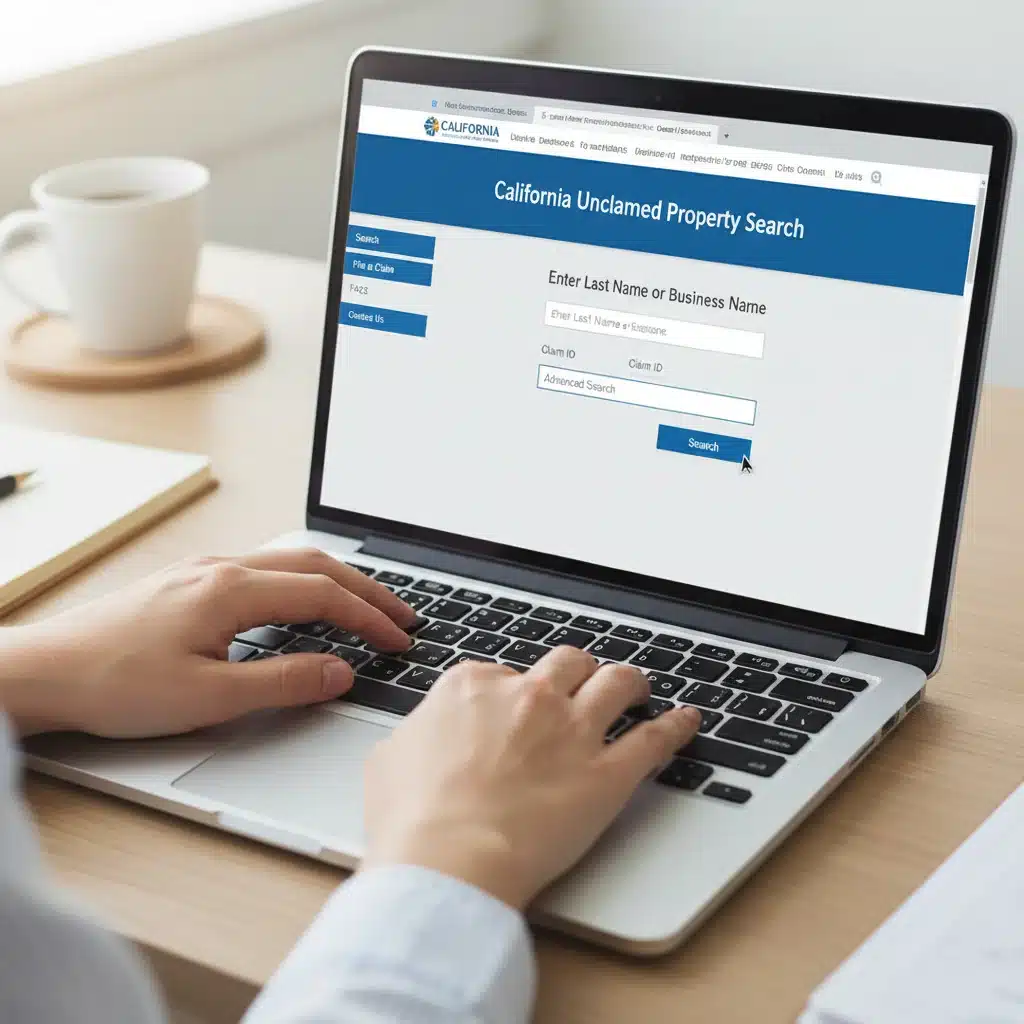
While MissingMoney.com covers most states, some states do not participate or may have more up-to-date information directly on their own sites. It’s a good practice to check the unclaimed property website for every state you have ever lived in, worked in, or conducted significant business in. You can usually find these by searching for "[State Name] unclaimed property" or "[State Name] treasurer unclaimed money."
Look for official government websites, usually ending in .gov or .org, to avoid scams. Each state’s site will have its own search function and claim process.
Step 3: Federal Agencies – Don’t Forget the Feds!
Beyond state programs, several federal agencies also hold unclaimed benefits US. This is where the December 2026 deadline might become particularly relevant for certain types of funds.
- Internal Revenue Service (IRS):
- Unclaimed Tax Refunds: If you didn’t file a tax return for a year you were due a refund, or if your refund check was never cashed, the IRS might owe you money. You can check your refund status using the "Where’s My Refund?" tool on the IRS website. However, to claim an old refund you never filed for, you generally need to file the original return for that year within three years of the tax deadline.
- Recovery Rebate Credit: If you believe you were eligible for a stimulus check but never received it, you might be able to claim it as a Recovery Rebate Credit on a tax return for the relevant year.
- U.S. Department of the Treasury:
- Unclaimed Savings Bonds: If you or a family member purchased U.S. savings bonds that have matured and were never redeemed, you can search the TreasuryDirect website (TreasuryDirect.gov) for matured, unredeemed savings bonds.
- Uncashed Treasury Checks: This could include old Social Security checks, veteran’s benefits, or other federal payments. Contact the agency that issued the check or the U.S. Treasury’s Bureau of the Fiscal Service.
- Department of Veterans Affairs (VA): If you are a veteran or a beneficiary of a veteran, you might have unclaimed benefits. Check the VA website or contact them directly.
- Pension Benefit Guaranty Corporation (PBGC): If you had a private-sector defined-benefit pension plan that was terminated, the PBGC may be holding your pension. Use their search tool for unclaimed pensions.
- Federal Housing Administration (FHA): If you had an FHA-insured mortgage and paid off your loan, you might be due a refund from the FHA. Use their refund search tool.
Step 4: Check with Former Employers and Financial Institutions
Sometimes, money hasn’t yet been turned over to the state. If you suspect an old employer owes you a final paycheck or a pension, or if you had an account with a bank or credit union that merged or closed, contact them directly. They might still have your funds.
Step 5: Life Insurance Policy Locator
The National Association of Insurance Commissioners (NAIC) offers a Life Insurance Policy Locator Service. This is invaluable if you suspect you are a beneficiary of a life insurance policy but don’t have the policy details. Insurance companies will search their records for a match.
What to Do if You Find Unclaimed Benefits US
Congratulations, you’ve found a potential match! Now comes the claiming process. While specific steps vary by state and agency, here’s a general overview:
- Gather Documentation: You’ll typically need to prove your identity and your connection to the funds. This might include:
- Government-issued ID (driver’s license, passport)
- Proof of address (utility bill, lease agreement)
- Social Security number
- Documentation linking you to the original owner or account (e.g., old bank statements, birth certificate, marriage certificate, death certificate, probate documents for estates).
- Complete the Claim Form: Each state or federal agency will have its own claim form. Fill it out accurately and completely.
- Submit Your Claim: Follow the instructions for submission, which might be online, via mail, or occasionally in person.
- Be Patient: The processing time for claims can vary significantly, from a few weeks to several months, depending on the complexity of the claim and the volume of submissions the agency is handling.
- Follow Up: If you don’t hear back within the stated timeframe, don’t hesitate to follow up with the relevant agency.

Protecting Yourself from Unclaimed Money Scams
Unfortunately, where there’s money, there are scammers. Be vigilant when searching for your unclaimed benefits US:
- Never Pay Upfront Fees: Legitimate government agencies and state unclaimed property divisions will never ask you to pay a fee to search for or claim your money. If someone asks for an upfront payment, it’s a scam.
- Beware of Phishing: Be suspicious of unsolicited emails, texts, or calls claiming you have unclaimed money. Always go directly to official government websites (ending in .gov or .org) to initiate your search.
- Verify Identity: If a third-party company contacts you about unclaimed money, thoroughly research them. While legitimate "finders" exist, they typically charge a percentage of the recovered funds (often 10-15%) only after the money is successfully claimed.
- Don’t Share Sensitive Information: Be cautious about sharing your Social Security number, bank account details, or other personal financial information unless you are on a verified, secure government website specifically for filing a claim.
Tips for Maximizing Your Search for Unclaimed Benefits US
- Search Multiple Names: If you’ve ever changed your name (e.g., maiden name, married name, adopted name), search under all variations.
- Search for Family Members: Check for deceased relatives. You might be an heir to their unclaimed property. You’ll need additional documentation (like a death certificate and proof of relationship) to claim these funds.
- Consider All Past Addresses: Think about every city and state you’ve lived in, even for a short period.
- Check Business Names: If you owned a small business that closed, check under the business name as well.
- Regular Checks: Make it a habit to check for unclaimed property every year or two. New funds are continually being turned over to the states.
- Keep Good Records: Maintain organized financial records to prevent future funds from becoming unclaimed. Update your address promptly with all financial institutions when you move.
Beyond $500: The Potential for Larger Sums
While this article highlights the potential to find up to $500, it’s important to note that many individuals discover much larger sums. Some people have found thousands, even tens of thousands, in forgotten inheritances, pension benefits, or dormant investment accounts. The $500 figure is merely a conservative estimate of what many average individuals might find, making the search worthwhile for everyone.
Conclusion: Don’t Let Your Money Slip Away – Act Before December 2026!
The vast pool of unclaimed benefits US represents a significant amount of money that rightfully belongs to individuals and families across the nation. With potential deadlines like December 2026 looming for certain federal funds, there’s no better time than now to take action.
By diligently searching state unclaimed property databases and checking with relevant federal agencies, you could uncover forgotten funds that could make a real difference in your financial life. It’s a free, easy process that only requires a little bit of your time and attention. So, don’t delay – start your search today and reclaim what’s yours!
Imagine finding an extra $500 or more just by spending a few minutes online. It’s not a lottery; it’s your money, waiting for you to claim it. Good luck with your search!