US High School Graduation Rates: 15-Year High in 2025 – Analyzing Reforms
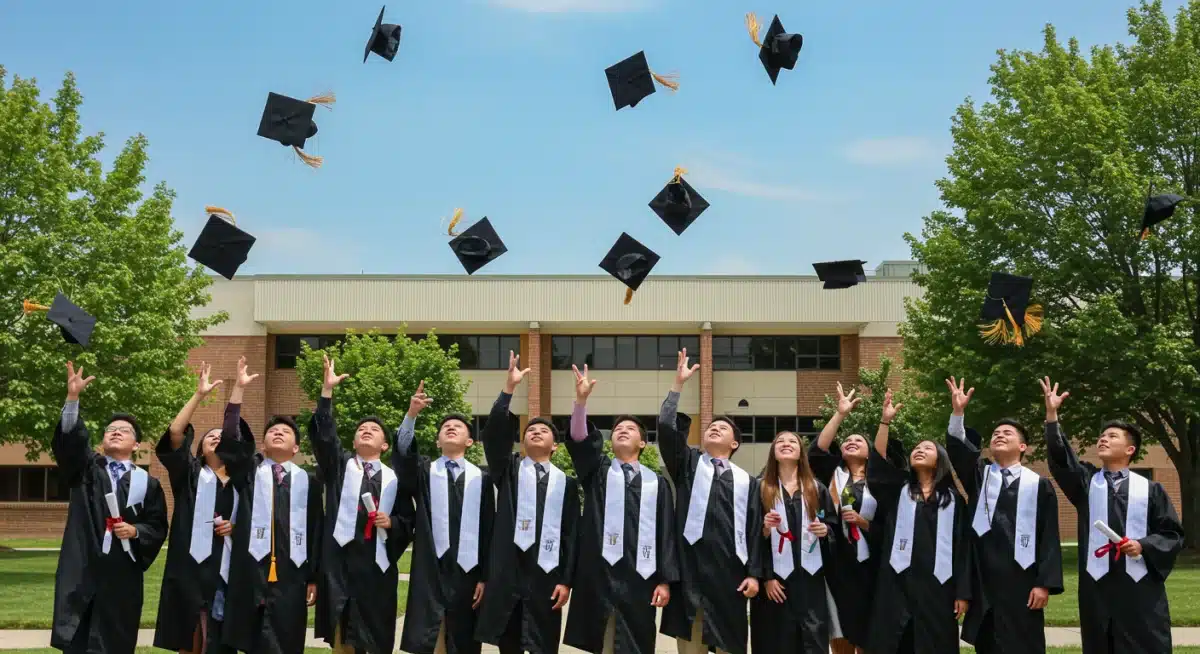
The year 2025 marks a significant milestone in American education: U.S. high school graduation rates are projected to reach an unprecedented 15-year high. This remarkable achievement is not merely a statistical anomaly but the culmination of years of dedicated effort, strategic educational reforms, and a collective commitment to student success. For decades, educators, policymakers, parents, and communities have grappled with the complex challenges of improving educational outcomes, particularly ensuring that every student has the opportunity to complete high school and embark on a successful future. The projected high school graduation rates in 2025 stand as a testament to the effectiveness of these concerted efforts, signaling a new era of progress and potential in the nation’s educational landscape.
Understanding the factors that have contributed to this surge in high school graduation rates requires a deep dive into the multifaceted reforms implemented across various levels of the education system. From innovative pedagogical approaches to targeted support systems for at-risk students, the strategies have been diverse, yet unified by a common goal: to create an environment where every student can thrive. This article will explore the key drivers behind this historic rise in U.S. high school graduation rates, examining the policies, programs, and philosophies that have paved the way for this success. By dissecting these elements, we can gain valuable insights into what works in modern education and how these lessons can be applied to sustain and further improve educational achievements in the years to come.
The Landscape of Educational Reform: A Decade of Change
The journey to higher high school graduation rates has been a long and intricate one, characterized by a series of deliberate and often challenging reforms. Over the past decade, a significant shift has occurred in how educational institutions approach student retention and achievement. This shift is rooted in a more holistic understanding of student needs, moving beyond mere academic performance to encompass social, emotional, and economic factors that influence a student’s ability to complete their education. Early intervention programs, for instance, have played a crucial role in identifying students at risk of dropping out long before they reach high school, providing them with the necessary support and resources to stay on track. These programs often include personalized learning plans, access to tutoring, mentorship opportunities, and family engagement initiatives, all designed to create a strong foundation for academic success.
Furthermore, curriculum reforms have been instrumental in making education more relevant and engaging for a wider range of students. The traditional, one-size-fits-all approach has gradually given way to more flexible and diversified learning pathways. Vocational and technical education programs, once sidelined, have experienced a resurgence, offering students practical skills and direct routes to employment or further specialized training. These programs not only cater to different learning styles and career aspirations but also demonstrate the value of a high school diploma as a gateway to diverse opportunities, not just college. The emphasis on career readiness, integrated into the core curriculum, has helped students see the tangible benefits of completing their education, thereby increasing their motivation and commitment.
Technology has also emerged as a powerful enabler of reform. The integration of digital tools and resources into classrooms has transformed teaching and learning, making education more accessible, interactive, and personalized. Online learning platforms, educational software, and data analytics have provided educators with new ways to engage students, track their progress, and tailor instruction to individual needs. This technological integration has been particularly beneficial in addressing learning gaps and providing supplementary support to students who might otherwise fall behind. The ability to access educational content anytime, anywhere, has also offered unprecedented flexibility, especially for students facing personal or logistical challenges.
Policy Shifts and Funding Initiatives: Fueling Progress
Behind every successful educational reform lies a robust framework of policy and adequate funding. The rise in high school graduation rates can be directly linked to significant policy shifts at both federal and state levels, which have prioritized student retention and success. One key policy trend has been the increased accountability for schools and districts to improve graduation rates. Performance metrics now often include graduation rates as a critical indicator of school effectiveness, incentivizing educational leaders to implement strategies that actively support students through to completion. This accountability has spurred innovation and a more data-driven approach to identifying and addressing systemic issues that contribute to dropout rates.
Moreover, targeted funding initiatives have provided the necessary resources to implement these ambitious reforms. Grants and financial aid programs aimed at supporting at-risk students, improving school infrastructure, and investing in teacher professional development have been pivotal. These funds have enabled schools to hire additional support staff, such as counselors, social workers, and academic coaches, who play a vital role in addressing the non-academic barriers to graduation. The allocation of resources towards smaller class sizes, particularly in underserved communities, has also been shown to improve student engagement and academic outcomes, further contributing to higher high school graduation rates.
The emphasis on equitable access to quality education has also been a cornerstone of recent policy changes. Efforts to close achievement gaps between different demographic groups have led to specialized programs and funding streams designed to support minority students, students from low-income backgrounds, and those with disabilities. These initiatives recognize that systemic inequalities often create additional hurdles for certain student populations and that targeted interventions are necessary to ensure all students have an equal chance to succeed. By addressing these disparities head-on, policymakers have laid the groundwork for a more inclusive and effective education system, where high school graduation rates reflect the success of all students, not just a select few.
The Role of Personalized Learning and Student Support Systems
One of the most impactful changes contributing to the surge in high school graduation rates is the widespread adoption of personalized learning approaches and robust student support systems. Gone are the days when a uniform curriculum was expected to fit every student. Modern education recognizes the diverse needs, learning styles, and aspirations of individual students. Personalized learning involves tailoring educational experiences to meet these unique requirements, often through individualized learning plans, flexible pacing, and a variety of instructional methods. This approach empowers students to take ownership of their learning, making education more relevant and engaging for them.

Complementing personalized learning are comprehensive student support systems. These systems go beyond academic assistance to address the social, emotional, and mental health needs of students. School counselors, psychologists, and social workers are increasingly integrated into school communities, providing essential services such as crisis intervention, mental health counseling, and guidance on college and career pathways. The recognition that a student’s well-being directly impacts their academic performance has led to a more holistic approach to support, ensuring that students have the resources they need to overcome personal challenges and stay focused on their education. Programs like peer mentoring, after-school support, and community partnerships have also strengthened these networks, creating a safety net for students who might otherwise disengage.
Moreover, the emphasis on early warning systems has allowed schools to identify students at risk of disengagement or dropping out much sooner. By tracking attendance, grades, and behavioral patterns, educators can intervene proactively, offering targeted support before problems escalate. These systems often involve a collaborative effort between teachers, administrators, and support staff to develop individualized intervention plans, which might include academic remediation, counseling services, or referrals to external community resources. This proactive approach has significantly reduced the number of students who fall through the cracks, directly contributing to the upward trend in high school graduation rates.
Community Engagement and Parental Involvement: A Collaborative Effort
The success of educational reforms is rarely confined to the school walls; it often extends into the broader community. Increased high school graduation rates in 2025 are also a testament to the growing recognition of the importance of community engagement and parental involvement. When schools work in partnership with families and local organizations, they create a supportive ecosystem that reinforces educational values and provides additional resources for students. Parent-teacher associations (PTAs) and other parent groups have become more active, advocating for educational improvements and participating in school decision-making processes. Workshops and resources for parents on how to support their children’s learning at home have also been widely implemented, empowering families to play a more active role in their child’s academic journey.
Community partnerships have also played a vital role, bridging the gap between schools and local businesses, non-profits, and civic organizations. These partnerships often provide students with mentorship opportunities, internships, and access to real-world learning experiences that enrich their education and expose them to potential career paths. Local businesses, for instance, might offer job shadowing programs or provide resources for vocational training, giving students practical skills and a clearer vision for their future. Non-profit organizations often step in to fill gaps in school services, offering everything from tutoring and after-school programs to mental health support and college preparatory workshops. This collaborative approach ensures that students have a wide network of support outside of the traditional classroom setting, reinforcing the value of education and providing diverse pathways to success.
Furthermore, schools have become increasingly adept at communicating with parents and the community, fostering a sense of shared responsibility for student outcomes. Regular updates on student progress, opportunities for parent-teacher conferences, and accessible communication channels have helped build stronger relationships between homes and schools. This open dialogue ensures that parents are informed about their child’s academic standing and are aware of the resources available to help them succeed. By making education a collective community endeavor, schools have been able to create a more supportive and conducive environment for learning, ultimately contributing to higher high school graduation rates.
Addressing Equity and Bridging Achievement Gaps
A critical component of the rise in U.S. high school graduation rates has been a concerted effort to address long-standing issues of equity and to bridge achievement gaps among diverse student populations. Historically, students from low-income backgrounds, minority groups, and those with disabilities have faced disproportionate challenges in completing their high school education. The reforms leading up to 2025 have placed a strong emphasis on identifying and dismantling systemic barriers that have hindered these students’ progress. This includes targeted funding for schools in high-poverty areas, culturally responsive teaching practices, and inclusive educational environments that celebrate diversity.
One significant strategy has been the implementation of comprehensive equity audits to identify areas where disparities exist in access to resources, quality instruction, and support services. Based on these audits, schools and districts have developed strategic plans to reallocate resources and implement programs specifically designed to support underserved student populations. This might include providing additional academic support, offering specialized counseling, or ensuring access to advanced placement courses and extracurricular activities that were previously out of reach. The goal is to ensure that every student, regardless of their background, has the same opportunities to succeed and graduate.
Moreover, the focus on culturally responsive pedagogy has transformed how educators interact with and instruct diverse student bodies. Teachers are now better trained to understand and incorporate students’ cultural backgrounds, languages, and experiences into the curriculum, making learning more relevant and engaging. This approach not only improves academic performance but also fosters a sense of belonging and validation for students from diverse backgrounds, reducing feelings of alienation that can lead to disengagement. By creating educational environments that are truly inclusive and equitable, schools have made significant strides in ensuring that high school graduation rates reflect the success of all students, not just a privileged few. This commitment to equity is a cornerstone of the sustained improvement in educational outcomes.
The Impact of Data-Driven Decision Making and Continuous Improvement
The impressive gains in high school graduation rates by 2025 are also a direct result of a shift towards data-driven decision-making and a culture of continuous improvement within educational institutions. Modern schools and districts are no longer relying on anecdotal evidence or outdated practices; instead, they are leveraging sophisticated data analytics to understand student performance, identify trends, and pinpoint areas for intervention. This approach allows educators to make informed decisions about curriculum development, resource allocation, and support strategies, ensuring that efforts are targeted and effective.
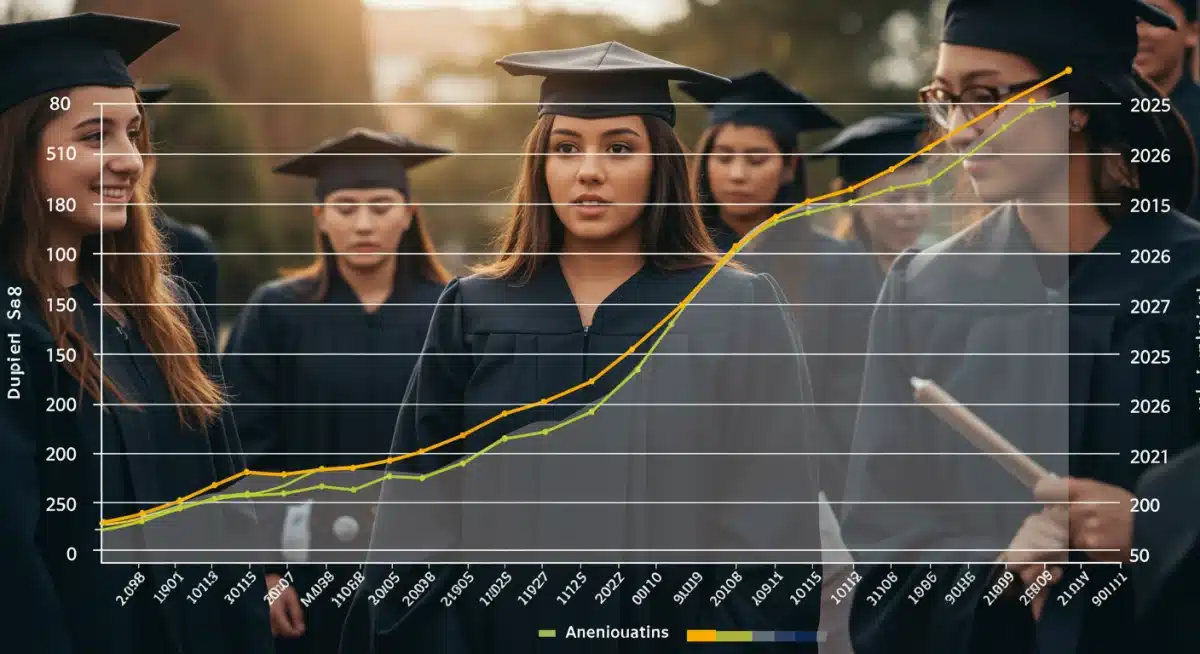
Early warning systems, powered by data, are a prime example of this. By analyzing student attendance, grades, and behavioral patterns, schools can identify students who are at risk of dropping out long before they reach a crisis point. This allows for proactive interventions, such as personalized counseling, academic tutoring, or referrals to external support services, tailored to the specific needs of each student. The ability to track progress over time and adjust strategies based on real-time data has been instrumental in improving student retention and ensuring that more students complete their high school education.
Furthermore, a culture of continuous improvement means that schools are constantly evaluating their programs and practices, seeking feedback from students, parents, and teachers, and adapting to new challenges. Professional development for educators has become more focused on data literacy and the implementation of evidence-based practices. Teachers are empowered to use data to inform their instruction, identify learning gaps, and differentiate teaching methods to meet diverse student needs. This iterative process of planning, implementing, evaluating, and refining has created a dynamic and responsive education system, one that is constantly striving for better outcomes and higher high school graduation rates. The commitment to using data not just for accountability but as a tool for improvement has been a game-changer.
Looking Ahead: Sustaining the Momentum and Future Challenges
While the projected 15-year high in U.S. high school graduation rates in 2025 is a cause for celebration, it also presents a new set of challenges: how to sustain this momentum and continue to improve educational outcomes. The reforms and strategies that have led to this success must be continually evaluated, adapted, and expanded to meet the evolving needs of students and society. One key area for future focus will be ensuring that the quality of education matches the quantity of graduates. A high school diploma should not just signify completion but also a preparedness for college, career, and civic life.
Future efforts will likely concentrate on deepening personalized learning experiences, further integrating technology, and expanding access to high-quality early childhood education. Investing in early learning programs has been shown to have a profound impact on long-term academic success, setting students on a positive trajectory from a young age. Additionally, addressing the ongoing mental health crisis among young people will remain a critical priority, requiring continued investment in school-based mental health services and comprehensive support systems. The social and emotional well-being of students is inextricably linked to their ability to succeed academically and complete their education.
Moreover, as the economy evolves, so too must the curriculum. Schools will need to continue adapting to ensure that graduates possess the skills and knowledge required for the jobs of the future, including critical thinking, problem-solving, digital literacy, and adaptability. This means fostering stronger partnerships between education and industry, creating more opportunities for work-based learning, and continuously updating vocational and technical programs. Sustaining high school graduation rates will also depend on a continued commitment to equity, ensuring that all students, regardless of their background or circumstances, have access to the resources and support they need to thrive. The journey to educational excellence is ongoing, and while 2025 marks a significant achievement, it also serves as a powerful reminder of the continuous effort required to build a truly equitable and effective education system for all.