Future-Proofing Education: Essential Digital Literacy Skills for 2026

Anúncios
In an era defined by rapid technological advancements, the landscape of education is continuously shifting. What was considered cutting-edge yesterday is commonplace today, and what’s revolutionary now will be foundational in a few short years. For parents, educators, and anyone invested in the development of young minds, the question isn’t just about what children are learning, but how they are learning and what skills they are acquiring to navigate an increasingly complex digital world. This brings us to the crucial concept of digital literacy skills – competencies that go far beyond simply knowing how to use a computer or a smartphone.
As we look towards 2026 and beyond, the need to future-proof our children’s education becomes paramount. This means equipping them not just with knowledge, but with the ability to critically engage with digital information, create meaningfully in digital spaces, understand the ethical implications of their online actions, and adapt to new technologies as they emerge. This article will delve into four essential digital literacy skills that will be indispensable for children in 2026, offering actionable insights for how parents and educators can foster these vital capabilities.
Anúncios
The Evolving Definition of Digital Literacy
Before we dive into the specific skills, it’s important to understand that digital literacy is not a static concept. It’s a dynamic and evolving set of abilities that encompasses more than just technical proficiency. In the early days of the internet, digital literacy might have simply meant knowing how to send an email or browse a website. Today, it’s a much broader umbrella, covering everything from coding and data analysis to digital ethics and cybersecurity awareness.
The Partnership for 21st Century Learning (P21) highlights that digital literacy is a critical component of "learning and innovation skills," alongside creativity, critical thinking, communication, and collaboration. It’s the foundation upon which these other essential skills are often built in a modern context. Without strong digital literacy skills, children risk being left behind in an educational and professional landscape that increasingly demands digital fluency.
By 2026, the digital world will be even more integrated into every facet of life. Artificial intelligence will be more prevalent, virtual and augmented reality will be more accessible, and the lines between our physical and digital existences will continue to blur. Therefore, preparing children with robust digital literacy skills isn’t just about giving them an advantage; it’s about providing them with the fundamental tools for participation and success.
Anúncios
Skill 1: Critical Digital Information Evaluation
In an age of information overload, where news, opinions, and "facts" proliferate across countless platforms, the ability to critically evaluate digital information is perhaps the most crucial of all digital literacy skills. Children are constantly bombarded with content, from social media feeds to online articles and videos. Without the capacity to discern truth from falsehood, bias from objectivity, and credible sources from unreliable ones, they are vulnerable to misinformation, propaganda, and manipulation.
Why is this skill essential for 2026?
- Combating Misinformation and Disinformation: The spread of fake news and conspiracy theories is a significant societal challenge. Children need to develop the cognitive tools to identify misleading content.
- Academic Integrity: For academic success, students must be able to find, evaluate, and appropriately cite reliable sources for research papers and projects.
- Informed Decision-Making: From choosing what to buy online to understanding complex global issues, critical evaluation skills empower children to make informed decisions in their personal and civic lives.
- Understanding Algorithms: Children need to comprehend that search engine results and social media feeds are often curated by algorithms, which can inadvertently create echo chambers or reinforce existing biases.
How to foster critical digital information evaluation:
- Teach Source Analysis: Encourage children to ask who created the content, why it was created, and what evidence supports its claims. Introduce them to concepts like domain authority and fact-checking websites.
- Media Literacy Discussions: Regularly discuss current events and online content with your children. Ask open-ended questions like, "How do you know this is true?" or "What might be another perspective?"
- Identify Bias: Help them recognize different types of bias (e.g., political, commercial) and understand how it can influence information presentation.
- Cross-Referencing: Teach the importance of checking information across multiple reputable sources before accepting it as fact.
- Recognize "Clickbait" and Sensationalism: Help them identify headlines and content designed purely to attract attention, often at the expense of accuracy.
Skill 2: Digital Creation and Innovation
Beyond consuming digital content, children in 2026 will need to be active creators and innovators. The digital economy increasingly values individuals who can not only use technology but also build with it, solve problems through it, and express themselves creatively. This skill set moves beyond passive consumption to active participation and contribution in the digital realm.
Why is this skill essential for 2026?
- Problem-Solving: Digital tools offer powerful ways to approach and solve real-world problems, from developing apps to designing virtual solutions.
- Creative Expression: Digital platforms provide diverse avenues for artistic expression, storytelling, music creation, and visual design.
- Future Workforce Readiness: Many jobs of the future, even those not directly in tech, will require some level of digital creation, whether it’s building presentations, managing databases, or creating digital marketing content.
- Computational Thinking: Engaging in digital creation, especially coding, fosters computational thinking – breaking down complex problems into smaller, manageable steps.
How to foster digital creation and innovation:
- Introduce Coding Early: Start with playful, visual coding platforms like Scratch or Blockly for younger children, progressing to text-based languages like Python as they grow.
- Encourage Digital Storytelling: Provide tools for creating digital stories, animations, videos, or interactive presentations.
- Explore Digital Art and Design: Introduce them to graphic design software, 3D modeling tools, or even simple photo editing apps to unleash their creative potential.
- Promote "Maker" Activities: Combine digital tools with physical creation, such as using 3D printers, robotics kits, or microcontrollers like Arduino or Raspberry Pi.
- Support Independent Projects: Encourage children to pursue their own digital projects based on their interests, providing guidance and resources as needed.

Skill 3: Digital Citizenship and Online Safety
As children spend more time online, understanding their rights, responsibilities, and the potential risks in digital spaces becomes paramount. Digital citizenship encompasses the norms of appropriate, responsible, and healthy behavior with regard to technology use. Online safety is a direct outcome of good digital citizenship and is non-negotiable in today’s interconnected world.
Why is this skill essential for 2026?
- Personal Safety and Privacy: Protecting personal information, recognizing phishing attempts, and understanding the implications of sharing data online are vital for preventing harm.
- Cyberbullying Prevention: Teaching empathy, respectful communication, and how to respond to and report cyberbullying is crucial for a positive online environment.
- Digital Footprint Awareness: Children need to understand that their online actions leave a permanent "digital footprint" that can impact their future opportunities.
- Ethical Technology Use: Learning about intellectual property, copyright, and responsible use of AI and other emerging technologies fosters ethical decision-making.
- Identifying Online Scams and Manipulation: As online threats become more sophisticated, children need to develop a keen eye for identifying scams, fake advertisements, and manipulative content.
How to foster digital citizenship and online safety:
- Establish Clear Guidelines: Work with your children to set up family rules for internet use, screen time, and app permissions.
- Open Communication: Create an environment where children feel comfortable discussing their online experiences, positive or negative, without fear of judgment.
- Discuss Privacy Settings: Teach them how to manage privacy settings on social media and other platforms, explaining the importance of limiting who can see their information.
- Emphasize "Think Before You Post": Reinforce the idea that once something is online, it’s difficult to remove, and to consider the potential consequences of their posts.
- Role-Playing Scenarios: Practice how to respond to uncomfortable or inappropriate online interactions.
- Model Good Behavior: Children learn by example. Demonstrate responsible and respectful digital behavior yourself.
- Understand Digital Rights and Responsibilities: Discuss concepts like netiquette, intellectual property, and the impact of their online actions on others.
Skill 4: Digital Collaboration and Communication
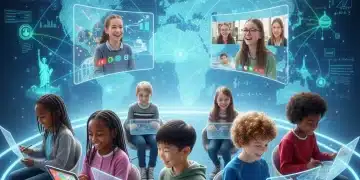
The ability to collaborate and communicate effectively in digital environments is a cornerstone of modern work and learning. Whether it’s working on a group project remotely, participating in online forums, or presenting ideas via video conferencing, these digital literacy skills are becoming increasingly essential for academic and professional success.
Why is this skill essential for 2026?
- Global Connectivity: Digital tools enable collaboration with peers and experts across geographical boundaries, fostering a global perspective.
- Teamwork in Remote Settings: Many future workplaces will be hybrid or fully remote, requiring proficiency in digital collaboration tools.
- Effective Communication: Understanding how to convey messages clearly and respectfully through various digital mediums (email, chat, video calls) is vital.
- Project Management: Digital platforms often facilitate shared document editing, task management, and project tracking, essential for complex endeavors.
- Networking and Community Building: Digital spaces are powerful for building professional networks and engaging with communities of interest.
How to foster digital collaboration and communication:
- Group Projects with Digital Tools: Encourage school projects that require using shared documents (e.g., Google Docs, Microsoft 365), presentation software, or online collaboration platforms.
- Teach Digital Etiquette: Discuss appropriate tone, concise language, and respectful interaction in online communications.
- Practice Video Conferencing: Familiarize children with platforms like Zoom or Google Meet, teaching them about appropriate background, muting, and speaking turns.
- Encourage Online Discussions: Guide them in participating constructively in moderated online forums or educational discussion boards.
- Introduce Project Management Tools: For older children, simple task management apps can help them organize collaborative efforts.

Integrating Digital Literacy Skills into Everyday Learning
Fostering these digital literacy skills isn’t about adding more to an already packed curriculum; it’s about integrating them seamlessly into existing learning experiences. It requires a shift in mindset from viewing technology as a mere tool to recognizing it as an environment for learning, creating, and interacting.
For Parents:
- Be Engaged: Don’t just monitor screen time; engage with your children about what they are doing online. Ask questions, explore sites together, and discuss their digital experiences.
- Lead by Example: Model responsible and balanced technology use. Show them how you critically evaluate information, communicate online, and manage your digital footprint.
- Provide Opportunities: Offer opportunities for digital creation (e.g., coding games, making family videos) and collaborative projects (e.g., planning a trip using online tools).
- Stay Informed: Keep up-to-date with new technologies, online trends, and potential risks to better guide your children.
- Emphasize Balance: While digital skills are crucial, ensure a healthy balance with offline activities, physical play, and face-to-face social interactions.
For Educators:
- Curriculum Integration: Embed digital literacy into all subjects, not just computer science. For example, use digital tools for research in history, data analysis in math, or creative writing in language arts.
- Project-Based Learning: Design projects that require students to use multiple digital tools for research, creation, collaboration, and presentation.
- Professional Development: Ensure teachers receive ongoing training in digital tools and pedagogical approaches that foster digital literacy.
- Safe Digital Environments: Create safe and structured digital learning environments where students can experiment, make mistakes, and learn from them.
- Focus on "Why" and "How": Beyond teaching how to use a specific app, focus on the underlying concepts of digital citizenship, critical thinking, and problem-solving that transcend particular technologies.
The Future is Now: Preparing for 2026 and Beyond
The year 2026 is not far off, and the digital landscape will continue its relentless evolution. Equipping children with these four essential digital literacy skills is not merely about preparing them for specific jobs or technologies; it’s about empowering them to be adaptable, resilient, and responsible citizens in a world that is increasingly mediated by digital interactions. It’s about fostering a generation that can not only navigate the digital world but also shape it for the better.
By focusing on critical evaluation, digital creation, responsible citizenship, and effective collaboration, we can ensure that our children are not just consumers of technology but confident, capable, and ethical participants in the digital age. This proactive approach to education will serve as a powerful foundation, enabling them to thrive in 2026 and whatever technological advancements the future holds.
Conclusion
The journey to future-proof our children’s education is an ongoing one, requiring continuous adaptation and commitment. The four essential digital literacy skills – critical digital information evaluation, digital creation and innovation, digital citizenship and online safety, and digital collaboration and communication – form a robust framework for this preparation. These skills are interconnected, reinforcing each other to build a comprehensive digital competency.
As parents and educators, our role is to guide, inspire, and provide the resources necessary for children to develop these skills. It’s about more than just screen time; it’s about meaningful engagement with technology. It’s about teaching them to question, to create, to connect, and to contribute responsibly. By prioritizing these competencies now, we are not just preparing them for the challenges of 2026, but for a lifetime of learning, growth, and effective participation in a world that will undoubtedly continue to be shaped by digital innovation. Let us embrace this challenge and empower the next generation with the digital fluency they need to succeed.