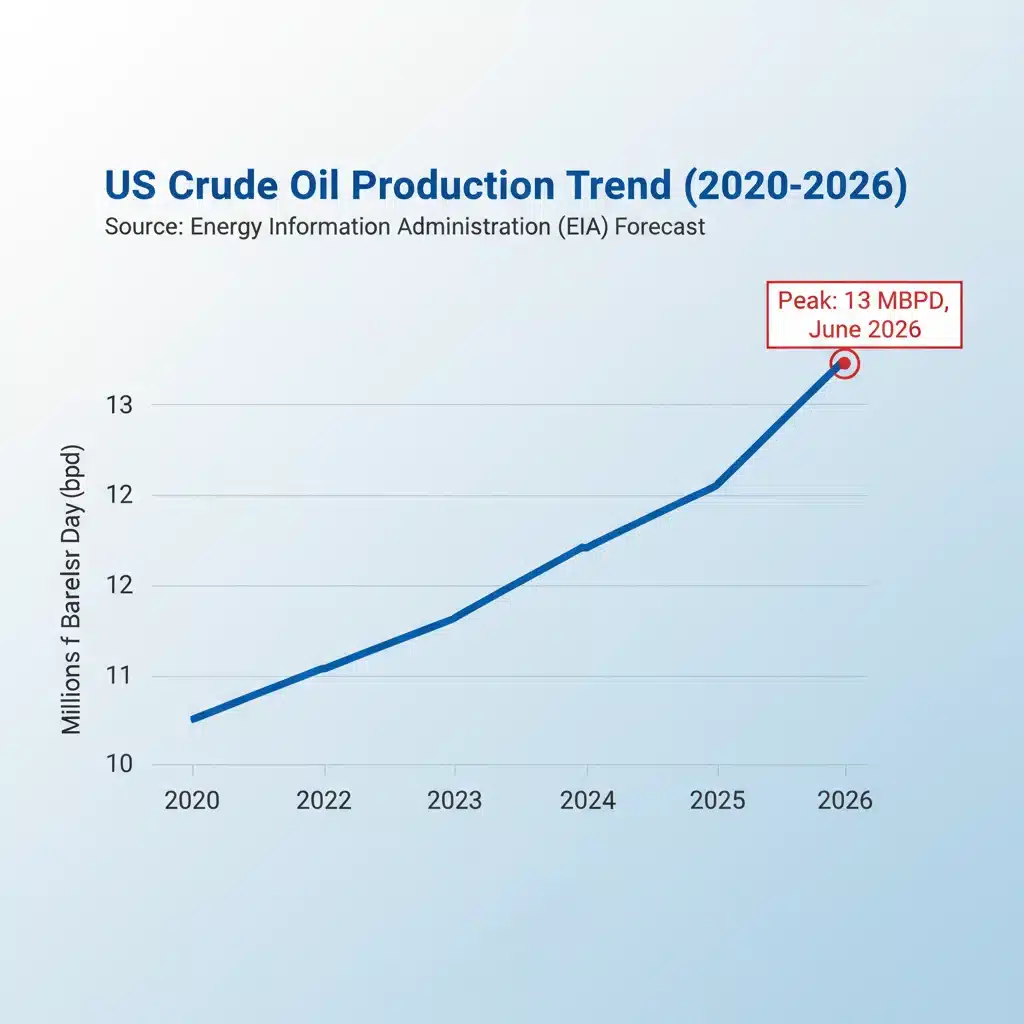
The global energy landscape is constantly evolving, driven by geopolitical shifts, technological advancements, and economic imperatives. In a significant development that is set to redefine America’s role in the international energy arena, the United States has achieved an unprecedented milestone: its domestic oil production reached an astounding 13 million barrels per day (BPD) in June 2026. This monumental achievement not only solidifies the nation’s position as a dominant force in global energy but also ushers in a new era of energy independence and economic influence. The implications of this surge in US oil production are far-reaching, impacting everything from international relations and environmental policies to, most notably, the everyday gas prices consumers pay at the pump.
For decades, the United States has grappled with the complexities of energy security, often relying on foreign oil imports to meet its substantial energy demands. The journey to 13 million BPD has been a testament to innovation, strategic investments, and a resilient domestic energy sector. This article delves deep into the factors contributing to this remarkable surge in US oil production, explores its multifaceted impacts on the global energy market, analyzes the direct and indirect effects on gas prices across the nation, and considers the broader implications for the US economy and its future energy policy.
Anúncios
The Road to 13 Million BPD: A Triumph of Technology and Strategy
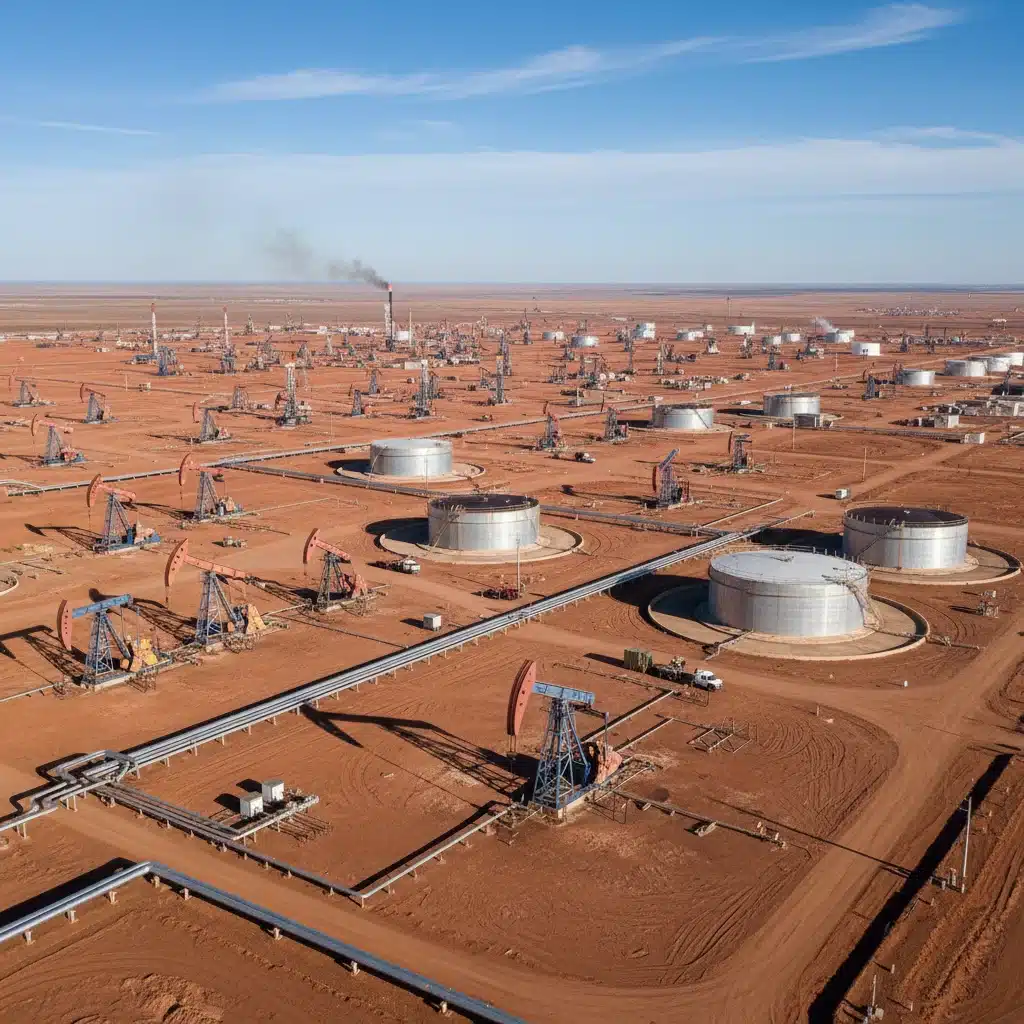
The path to achieving 13 million BPD in US oil production is a story of relentless innovation and strategic foresight. Several key factors have converged to make this milestone possible. Firstly, advancements in drilling technologies, particularly horizontal drilling and hydraulic fracturing (fracking), have revolutionized the extraction of oil from shale formations. These technologies have unlocked vast reserves previously considered economically unviable, transforming regions like the Permian Basin in Texas and New Mexico, the Bakken Shale in North Dakota, and the Eagle Ford Shale in South Texas into prolific oil-producing hubs. The efficiency and cost-effectiveness of these methods have continually improved, allowing producers to extract more oil at lower operational costs, even amidst fluctuating global oil prices.
Secondly, significant investments in infrastructure have played a crucial role. The increase in production necessitated a parallel expansion in transportation, processing, and storage capabilities. New pipelines have been constructed, existing ones upgraded, and storage facilities expanded to handle the burgeoning volumes of crude oil. This infrastructure development has been critical in ensuring that the extracted oil can be efficiently moved from production sites to refineries and export terminals, minimizing bottlenecks and maximizing market access. The synergy between advanced extraction techniques and robust infrastructure has created a powerful engine for increasing US oil production.
Thirdly, a supportive policy environment, characterized by regulatory frameworks that encourage domestic energy development, has provided the necessary impetus. While environmental concerns remain a significant consideration, policies aimed at fostering energy independence and economic growth have facilitated investments and operational expansions within the oil and gas sector. This balance, though often debated, has allowed for sustained growth in production capacity. The commitment to leveraging domestic resources has been a consistent theme across various administrations, contributing to the long-term upward trajectory of US oil production.
Anúncios
Finally, the resilience and adaptability of the American oil industry workforce have been instrumental. From engineers and geologists to field operators and logistics personnel, the sector has demonstrated an ability to innovate, adapt to new technologies, and optimize operations. This human capital, combined with cutting-edge technology and strategic investments, has been the bedrock of this historic achievement in US oil production.
Global Energy Market Repercussions: A New World Order
The surge in US oil production to 13 million BPD has profound implications for the global energy market, potentially reshaping geopolitical dynamics and economic relationships. Historically, the Organization of the Petroleum Exporting Countries (OPEC) and its allies (OPEC+) have wielded significant influence over global oil supply and prices. However, with the United States now producing such vast quantities, its role as a swing producer has become increasingly prominent, challenging the traditional dominance of OPEC+.
One of the most immediate effects is the increased global supply of crude oil. A higher supply, all else being equal, tends to exert downward pressure on international oil prices. This could lead to greater price stability and potentially lower energy costs for importing nations worldwide. For countries that are heavily reliant on oil imports, this increased supply from a non-OPEC source offers greater diversification and reduces their vulnerability to supply disruptions or price manipulation by traditional producers.
Furthermore, the enhanced US oil production strengthens America’s geopolitical leverage. As a major energy exporter, the US can use its energy resources as a tool for diplomatic influence and economic statecraft. This newfound energy independence reduces the need for the US to intervene in volatile regions solely for oil security, allowing for a more flexible and strategic foreign policy. It also provides a buffer against global supply shocks, making the US economy more resilient to international instability.
However, this shift also presents challenges. Traditional oil-exporting nations may face reduced revenues and market share, potentially leading to economic adjustments and geopolitical tensions. The increased competition could prompt these nations to reassess their production strategies and pricing policies. Moreover, the environmental implications of increased fossil fuel extraction remain a contentious issue, with global efforts to transition to renewable energy sources continuing to gain momentum. The balance between energy security, economic growth, and environmental sustainability will be a critical consideration as US oil production continues to impact global markets.
Impact on Domestic Gas Prices: What Consumers Can Expect
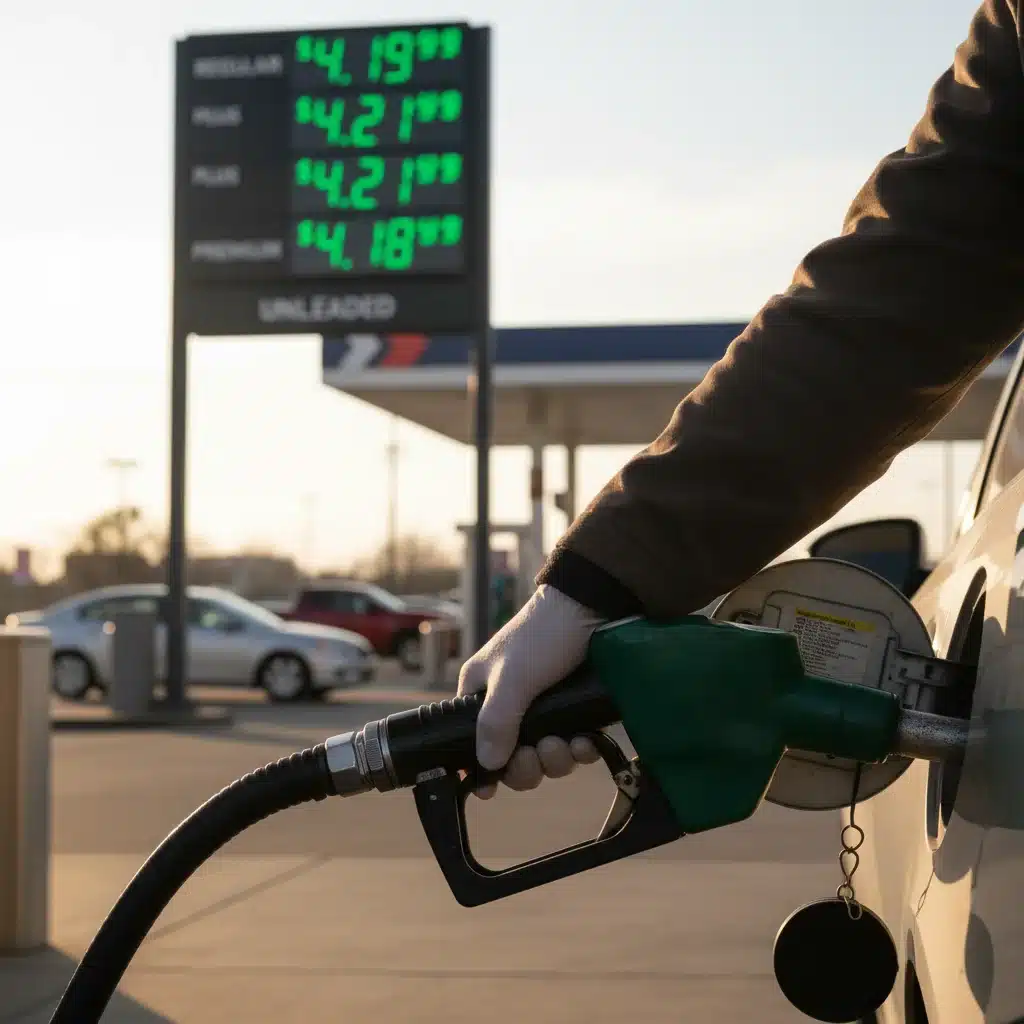
For the average American consumer, the most tangible effect of increased US oil production is its influence on gas prices. The relationship between crude oil production and retail gasoline prices is complex, involving numerous factors beyond just supply, but a significant increase in domestic output generally bodes well for consumers.
Firstly, a higher domestic supply of crude oil reduces the nation’s reliance on imported oil. This means that US refineries have more access to domestically produced crude, which can often be transported more cheaply and efficiently than foreign oil. Reduced transportation costs and a more secure supply chain can translate into lower wholesale gasoline prices, which are then passed on to consumers at the pump. The stability provided by ample domestic supply also helps mitigate price volatility caused by international events or geopolitical tensions in other oil-producing regions.
Secondly, the increased competition among producers and refiners within the US market, spurred by higher production, can also contribute to lower prices. With more crude available, refineries may compete more aggressively for market share, potentially leading to more favorable pricing for gasoline. This competitive environment is a direct benefit of robust US oil production.
However, it is crucial to understand that crude oil prices are only one component of the retail price of gasoline. Other significant factors include refining costs, distribution and marketing costs, and various federal and state taxes. Seasonal demand fluctuations, refinery outages, and global economic conditions also play a substantial role. For instance, even with high domestic production, a sudden surge in summer travel demand or an unexpected refinery shutdown can still cause localized or temporary spikes in gas prices. Nonetheless, the underlying strength of 13 million BPD in US oil production provides a strong foundation for more stable and potentially lower average gas prices over the long term, offering a significant economic relief to households and businesses.
Economic Implications: A Boost to Growth and Jobs
The remarkable surge in US oil production is not just an energy story; it is also a powerful economic narrative. The expansion of the domestic oil and gas sector has far-reaching positive implications for the US economy, driving job creation, stimulating investment, and contributing to national GDP.
The direct impact on employment is substantial. The oil and gas industry supports hundreds of thousands of high-paying jobs, from engineers and geologists to rig workers, pipeline technicians, and administrative staff. The increase in production necessitates more personnel across the entire value chain, leading to job growth in producing regions and related industries. Beyond direct employment, there is a significant ripple effect on ancillary sectors, including manufacturing (for drilling equipment and components), transportation (for moving oil and gas), and various service industries that support the energy sector workforce.
Furthermore, increased US oil production attracts significant capital investment. Companies invest billions of dollars in exploration, drilling, infrastructure development, and technological upgrades. This investment stimulates economic activity, creates demand for goods and services, and generates tax revenues for local, state, and federal governments. These revenues can then be channeled into public services, infrastructure projects, and other initiatives that benefit communities.
A more robust domestic energy supply also enhances the nation’s trade balance. By reducing the need for oil imports and increasing oil exports, the US improves its balance of payments, strengthening the dollar and reducing trade deficits. This economic independence makes the US less vulnerable to global economic shocks and provides greater stability for businesses and consumers. The energy sector’s contribution to GDP is substantial, and with US oil production at 13 million BPD, this contribution is set to grow even further, bolstering overall economic growth and prosperity.
However, the economic benefits must be weighed against potential challenges. The cyclical nature of commodity markets means that periods of high production can be followed by downturns if global demand or prices fall. Diversification within the energy sector and continued investment in renewable energy sources will be crucial to ensure long-term economic stability and resilience. The transition to a greener economy remains a priority, and the revenue generated from traditional energy sources can potentially be reinvested into developing sustainable alternatives, creating a balanced energy portfolio for the future.
Environmental Considerations and the Future of US Energy Policy
While the achievement of 13 million BPD in US oil production brings significant economic and energy security benefits, it also intensifies the ongoing debate surrounding environmental sustainability and climate change. The extraction and consumption of fossil fuels contribute to greenhouse gas emissions, which are widely recognized as drivers of global warming. As such, the increased production raises critical questions about America’s commitment to its climate goals and the long-term trajectory of its energy policy.
Environmental advocacy groups and many policymakers emphasize the urgent need to transition away from fossil fuels and accelerate the adoption of renewable energy sources such as solar, wind, and geothermal. They argue that continued reliance on oil, even domestically produced, delays this essential transition and exacerbates climate risks. Concerns also extend to local environmental impacts of drilling, such as water usage, potential contamination, and habitat disruption.
In response, the industry and government often highlight efforts to minimize environmental footprints through stricter regulations, advanced technologies for emission reduction, and responsible operational practices. Innovations in carbon capture, utilization, and storage (CCUS) technologies are being explored as potential solutions to mitigate emissions from fossil fuel operations. The argument is often made that while transitioning to renewables, a stable and affordable supply of traditional energy is necessary to power the economy and ensure energy security during the interim period.
The future of US energy policy will likely involve a delicate balancing act. It will need to harness the economic and security advantages of robust US oil production while simultaneously investing heavily in renewable energy, promoting energy efficiency, and developing technologies to reduce carbon emissions. This dual approach aims to ensure a stable energy supply for the present while paving the way for a sustainable, low-carbon future. Policies may focus on incentivizing both continued responsible fossil fuel production and accelerated renewable energy development, alongside robust environmental protections and research into cleaner energy technologies.
Conclusion: Navigating a New Energy Era
The milestone of 13 million BPD in US oil production in June 2026 marks a pivotal moment in American energy history. It underscores the nation’s capacity for innovation, its commitment to energy independence, and its growing influence on the global stage. This surge in production offers tangible benefits, including increased energy security, a stronger economy through job creation and investment, and the potential for more stable and even lower gas prices for consumers.
However, this achievement also brings forth a complex array of challenges, particularly concerning environmental sustainability and the imperative to address climate change. The future trajectory of US energy policy will require careful consideration of these competing priorities, seeking a harmonious balance between economic prosperity, energy security, and environmental stewardship. The ability of the United States to leverage its impressive US oil production while simultaneously championing the transition to a cleaner energy future will define its leadership in the years to come. As the world watches, the US is poised to navigate this new energy era, with its decisions shaping not only its own destiny but also the global energy landscape for generations.